

Chicago has never needed much encouragement to argue about sports. Cubs or White Sox, Bears or Packers, Jordan’s Bulls or the teams that followed, there is always another championship to remember, another collapse to explain, or another generation convinced it witnessed the city’s greatest era. Yet some of Chicago’s most enduring sports memories have less to do with the athletes on the field than with the buildings surrounding them. A team can change its roster, its ownership, and occasionally even its identity, but the stadium where generations watched those changes unfold becomes something more permanent in the minds of fans.
Few American cities illustrate that relationship better than Chicago. Wrigley Field, Comiskey Park, Soldier Field, and the old Chicago Stadium each helped shape the personality of the teams that occupied them, although their histories extend well beyond the sports most closely associated with them. Some survived while others disappeared, and their legacies reveal how the history of a sports city is also the history of the places where its people gathered.
Wrigley Field and the Chicago Sports Identity
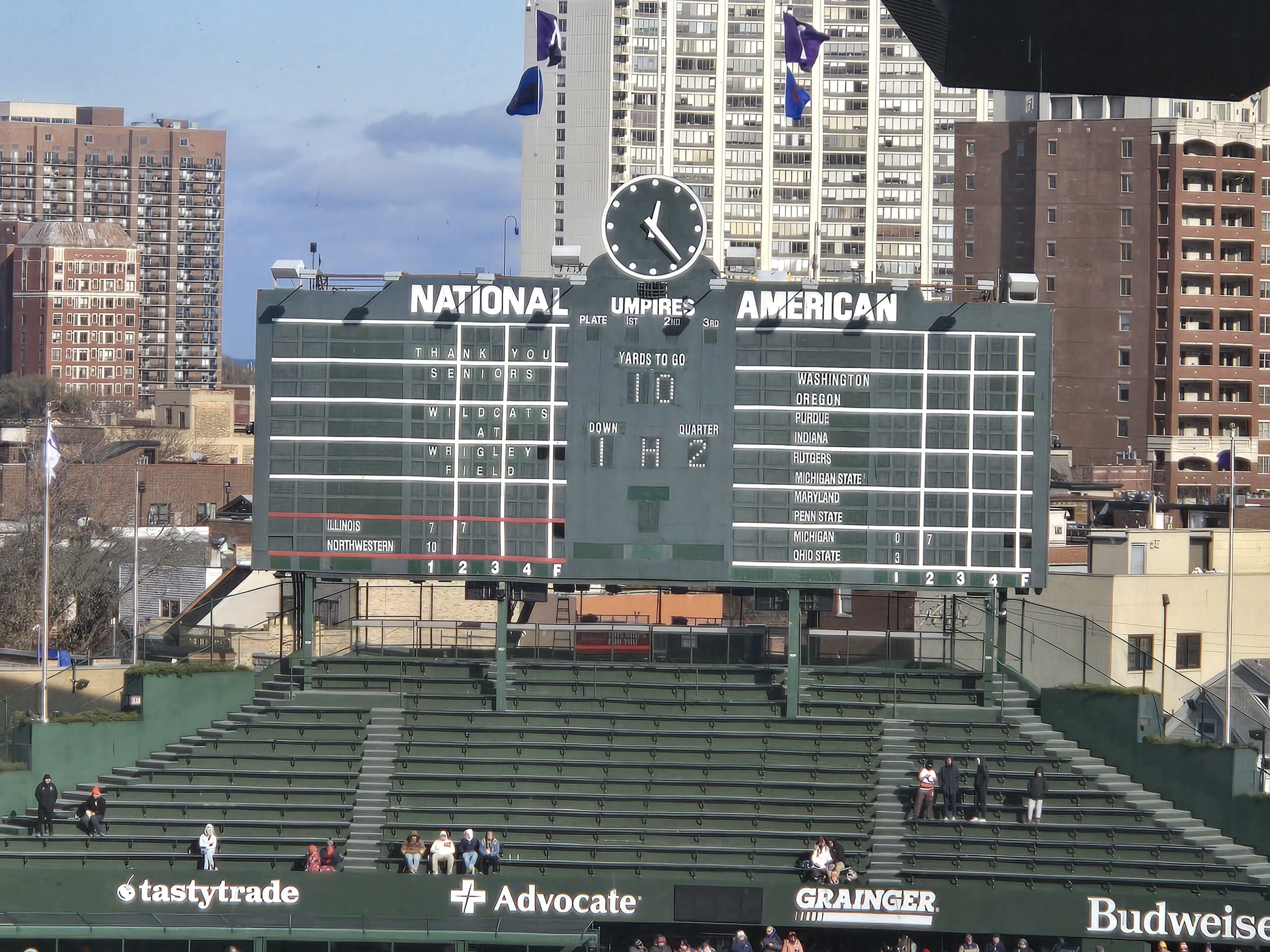
Wrigley Field opened in 1914, although it wasn’t originally built for the Cubs. Known first as Weeghman Park, the ballpark housed the Chicago Federals, later called the Whales, of the short-lived Federal League. When the Cubs moved there in 1916, the building began its transformation into one of baseball’s most recognizable landmarks. It received the Wrigley Field name in 1926, long before the ivy-covered outfield walls and manually operated scoreboard became inseparable from the team’s identity.
What makes Wrigley unusual is how much of its character survived baseball’s successive attempts to modernize. The ballpark sits inside a residential neighborhood, with surrounding rooftops, elevated trains, and neighborhood establishments becoming part of the experience. Where newer stadiums often separate themselves from the city through expansive parking lots and controlled entertainment districts, Wrigley remains physically connected to the streets around it.

The Cubs’ prolonged championship drought added another dimension to that identity. By the time the team finally won the World Series in 2016, ending a 108-year wait, Wrigley had become a gathering place for several generations who never witnessed a championship there. Fans associated the building with relatives who introduced them to baseball, afternoons spent in the bleachers, and seasons that ended in familiar disappointment. The championship mattered enormously, but part of its emotional weight came from how many people had experienced that disappointment in the same place.
Wrigley also played an important role in professional football history. The Chicago Bears used the ballpark as their home field from 1921 through 1970, meaning generations of Bears fans watched NFL games in a baseball stadium. Football’s modern stadium expectations had not yet taken hold, and sharing an established urban ballpark made considerably more financial sense than constructing a dedicated facility. For nearly half a century, Chicago’s North Side baseball landmark was also one of professional football’s defining venues.
Comiskey Park and the South Side’s Baseball Heritage
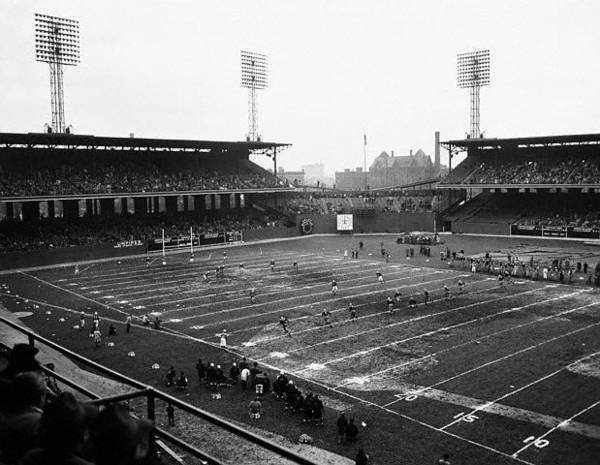
If Wrigley Field represented the North Side’s enduring attachment to tradition, the original Comiskey Park embodied a different but equally important Chicago baseball identity. Opened in 1910 at 35th Street and Shields Avenue, the ballpark became the longtime home of the White Sox and one of the great gathering places in South Side sports history.
Comiskey witnessed some of baseball’s most significant moments. It hosted the first Major League Baseball All-Star Game in 1933, an event organized during Chicago’s Century of Progress World’s Fair. Babe Ruth hit the first home run in All-Star Game history that afternoon, providing an early example of how a Chicago ballpark could become the setting for a national baseball tradition.
The stadium also carried a broader baseball legacy through the Negro Leagues. The Chicago American Giants played home games there during the 1940s, and Comiskey hosted numerous East-West All-Star Games featuring some of the best Black baseball talent in the country. Those events belong to the history of the ballpark just as much as the White Sox pennant races and celebrated major-league players who passed through its gates.

By the late twentieth century, however, Comiskey was showing its age. Modern revenue expectations increasingly favored suites, premium seating, improved amenities, and facilities that older ballparks were not designed to accommodate. The White Sox played their final game at the original stadium on September 30, 1990, before moving into a new ballpark across the street the following season.
The physical distance between the old and new stadiums was small, but the emotional distance felt much greater to many longtime fans. The original Comiskey had accumulated eighty seasons of memories, traditions, and neighborhood associations that could not simply be transferred with the team. Its demolition demonstrated a difficult truth about modern professional sports: preserving a franchise does not necessarily preserve the place where its identity was built.

Soldier Field: A Stadium That Existed Before the Bears Arrived
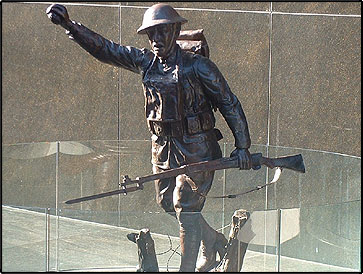
Soldier Field is so closely associated with the Chicago Bears that it is easy to forget the stadium had nearly half a century of history before the franchise moved there. Originally known as Municipal Grant Park Stadium, it opened in 1924 and was renamed Soldier Field in 1925 to honor American military personnel who died in World War I.
Long before the Bears established themselves on the lakefront, the stadium hosted college football, boxing, major civic gatherings, and other events that drew enormous crowds. The 1927 heavyweight championship rematch between Jack Dempsey and Gene Tunney took place there, becoming famous for the controversial long count. Soldier Field also hosted the inaugural International Special Olympics in 1968, an event whose importance extends far beyond professional football.

The Bears finally arrived in 1971 after decades at Wrigley Field. The move gave the franchise a football-centered home and began the association between Soldier Field, lakefront weather, and Chicago’s famously unforgiving football identity.
Understanding the full Chicago Bears history also means remembering that the franchise’s origins were not in Chicago. The team began as the Decatur Staleys in 1920, moved to Chicago the following year, and adopted the Bears name in 1922. Its evolution from an industrially sponsored football team to one of the NFL’s most recognizable franchises mirrors professional football’s own transformation into a national business.
Soldier Field’s place in that history became particularly complicated after its major renovation, completed in 2003. The project modernized the seating bowl while retaining the historic exterior colonnades, creating a striking visual contrast between the original stadium architecture and the newer structure rising above it.
For some fans, the renovation preserved the venue’s future. For others, it sacrificed too much of its historic character in the name of modernization. The controversy also had a tangible preservation consequence: Soldier Field lost its National Historic Landmark designation in 2006.
The continuing debate over the Bears’ long-term stadium future makes the history even more relevant. The issue is not merely where the team plays next. It is how much of Chicago football’s established identity should remain tied to the lakefront, and whether a new facility can eventually carry the same emotional significance.

Chicago Stadium and the Noise That Defined Two Franchises
Before the United Center became the home of the Bulls and Blackhawks, Chicago Stadium occupied a special place in the city’s indoor sports culture. Opened in 1929, the arena became famous for its atmosphere, particularly the remarkable volume created by crowds packed inside its enormous interior.
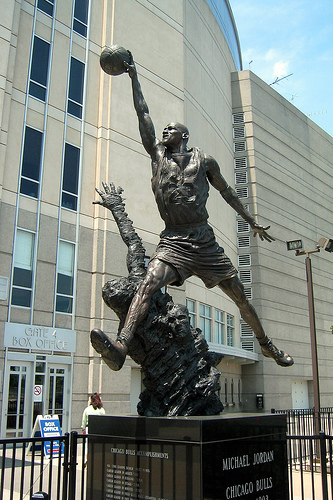
For Blackhawks fans, Chicago Stadium was synonymous with hockey’s Original Six era, fierce rivalries, and the building’s celebrated Barton organ. For Bulls fans, it became the setting for the rise of Michael Jordan and the franchise’s transformation into a global basketball phenomenon.
The arena witnessed three of the Bulls’ six NBA championships, with the team winning titles in 1991, 1992, and 1993 before moving into the United Center. Those championship seasons helped turn the Bulls into an international cultural brand, and Chicago Stadium’s distinctive atmosphere became part of the imagery associated with the team’s ascent.

The Blackhawks had their own long relationship with the building, stretching across generations of hockey history. The stadium’s noise, architecture, and proximity to the playing surface helped create the kind of home-ice environment that visiting teams remembered. It was a building that felt physically connected to the crowd, which is part of why longtime fans continued speaking about it affectionately after its closure.
The United Center opened in 1994, providing both franchises with a modern arena capable of accommodating the financial demands of contemporary professional sports. It also eventually hosted another three Bulls championships, completing the team’s second three-peat between 1996 and 1998.
In practical terms, the replacement offered obvious improvements. In historical terms, however, Chicago Stadium had been more than an outdated facility. It was where decades of local hockey culture and one of basketball’s greatest dynasties became part of the city’s shared memory.
Why Stadium History Still Matters in Chicago
The history of Chicago’s sports venues reveals something important about how cities develop relationships with their teams. Stadiums provide the physical setting for championship celebrations, disappointing seasons, unforgettable performances, and the ordinary routines that make fandom a part of people’s lives. Over time, those individual experiences accumulate into a collective history that becomes difficult to separate from the building itself.
This explains why arguments about replacing stadiums often become more emotional than straightforward discussions of seating capacity or projected revenue. Owners and developers may approach a new facility as a business investment, while longtime supporters see the existing venue as a connection to their childhood, their families, and earlier generations of fans.
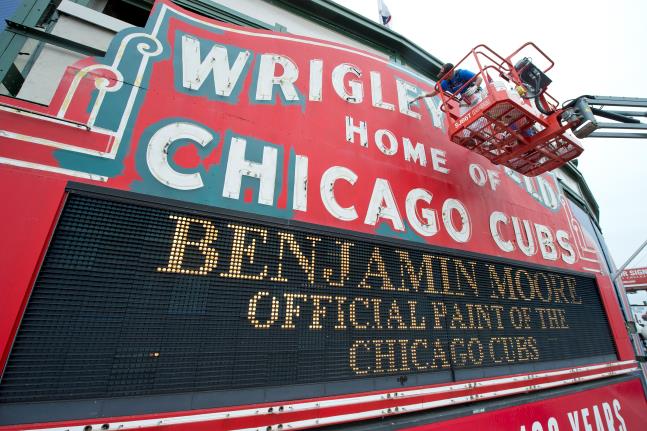
Chicago offers examples on both sides of that tension. Wrigley Field demonstrates how a historic ballpark can remain commercially relevant while retaining its original setting and much of its atmosphere. The original Comiskey Park and Chicago Stadium illustrate what happens when those historic buildings disappear, even though the teams they housed continue competing. Soldier Field presents another possibility, where extensive modernization preserves parts of a landmark while fundamentally changing the experience inside it.
These choices also shape the identity of entire neighborhoods. Wrigleyville would not have developed the same character without the Cubs. The area around the original Comiskey Park still carries the history of South Side baseball, even though the ballpark itself is gone. Chicago Stadium’s disappearance did not erase the Bulls’ or Blackhawks’ history, but it removed the physical setting where so much of that history occurred.
The same pattern appears in other Midwestern sports cities. Detroit’s Tiger Stadium, Milwaukee’s County Stadium, Pittsburgh’s Three Rivers Stadium, and St. Louis’s old Busch Stadium all occupied significant places in their communities before eventually giving way to newer venues. Each replacement created opportunities for modern sports businesses, but each also meant that another generation would inherit memories of a stadium it could no longer visit.

The Buildings Change, but the Stories Remain
Chicago’s sports identity was never created by championships alone. It developed through neighborhoods, rivalries, changing team ownership, family traditions, and decades of experiences inside places that became landmarks in their own right.
A Cubs fan walking past Wrigley Field encounters a building that predates nearly everyone who now fills its seats. A White Sox fan discussing the original Comiskey Park may be remembering a place that disappeared more than thirty years ago. Bears fans continue arguing about Soldier Field because the building represents both the franchise’s past and an unresolved question about its future. Bulls and Blackhawks fans still recall Chicago Stadium because some of the city’s greatest sports moments occurred inside an arena that no longer exists.

Preserving these stories matters because the history of a franchise extends beyond wins, losses, and championship totals. The evolution of stadiums, team identities, and regional rivalries reveals how professional sports became woven into American cities. Through historical timelines and research into franchise development, Sports History Group examines those connections and the broader history behind the teams fans continue to follow.
Chicago’s stadiums have changed dramatically over the past century, and more changes will undoubtedly come. What remains constant is the attachment fans develop to the places where they first learned what their teams meant to them. That attachment is why a demolished stadium can still be part of a city’s sports conversation decades after its final game.