
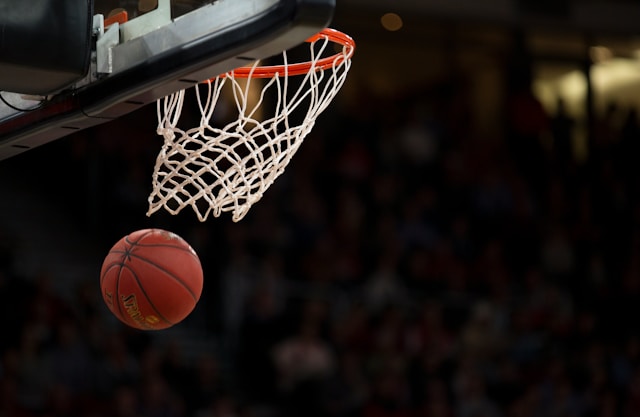
A backyard basketball court is one of the best ways to combine fun, fitness, and quality time with friends or family. Whether you’re playing a casual game of one-on-one, hosting weekend tournaments, or simply working on your free throws, having the right setup makes every game more enjoyable.
From simple driveway hoops to full outdoor basketball courts, the perfect system for your home depends on where you’ll be playing, who will be using it, and which features matter most to you.
Finding the Right Space
For many households, the driveway is the most practical option—it’s already paved, easy to access, and can double as parking space when you’re not shooting hoops. If you have more room, a dedicated half-court in the backyard allows for better movement, proper shooting distances, and a more authentic game feel. However, if you’ve got the space and love sports, a multi-sport court can be the ultimate setup, letting you combine basketball with tennis, netball, or even futsal for maximum use of your space.
In-Ground vs Portable Systems
Choosing between an in-ground and a portable hoop is a big decision. In-ground basketball systems are anchored securely, offering a sturdy, professional feel and the ability to handle years of serious play. They’re a great choice if you have a permanent space and want the closest experience to a real court. Portable hoops, on the other hand, are perfect for flexibility. You can move them around, wheel them into storage, and take them with you if you move house. The trade-off is that they can feel less solid, especially during more aggressive play.
Getting the Dimensions Right
If you want a more professional playing experience, pay attention to the backboard and ring sizes. A regulation backboard measures 183cm wide by 110cm tall, which gives you the same shooting and rebounding surface you’d find on a proper court. Many cheaper systems have smaller backboards, which can make bank shots and rebounds harder to replicate. The standard hoop diameter is 45cm, so make sure the ring meets these measurements for a true-to-game feel.
Features Worth Considering
- Adjustable height: This is ideal if you have players of different ages and skill levels. Lower it for kids and beginners, then raise it to regulation height for adults and competitive games.
- Ring types: Thicker, more robust rings can handle intense play without bending or warping, while breakaway rims flex under pressure, making them safer for dunking and reducing strain on the backboard.
- Net materials: Nylon, polyester and polypropylene nets are common, but if you want extra durability in outdoor conditions, consider a galvanised chain net (but they’re noisy).
- Ball return systems: These sit under the hoop and return the ball to the shooter, making solo practice faster and more efficient.
- Backboard sturdiness: A firm backboard gives a realistic rebound, while a flimsy one absorbs too much impact and affects ball response.
- Fencing: Helpful for keeping the ball contained, especially if your court is near a road or your neighbour’s fence.
Play Smarter, Play Longer
The best basketball system for your home is the one that suits your space, meets your family’s needs, and offers the features you’ll genuinely use. If you want a permanent, professional setup, an in-ground system is hard to beat. For flexibility and portability, a high-quality mobile hoop is a great choice. With the right system in place, you can enjoy years of fun, improve your skills, and make your home the go-to place for basketball games and practice sessions.