

In the digital age, the way we consume sports has transformed dramatically. One of the most significant changes has been the rise of Sports broadcasting, or sports broadcasting, which has become an essential part of the sports experience for fans around the world. This article explores the evolution of sports broadcasting, its current trends, and its impact on fans and the sports industry.
The Evolution of Sports Broadcasting
Sports broadcasting has come a long way since its inception in the early 20th century. Initially, games were broadcasted via radio, allowing fans to listen to live commentary. This was a revolutionary step, as it brought the excitement of live sports into homes across the nation. The introduction of television in the 1950s marked a significant turning point, as it allowed fans to watch games in real-time, bringing the action directly into their living rooms.
As technology advanced, so did the methods of broadcasting. The 1990s saw the rise of cable television, which expanded the number of channels dedicated to sports. This era also introduced the concept of 24-hour sports news networks, providing fans with constant updates and analysis. The advent of the internet in the late 1990s and early 2000s further transformed sports broadcasting, allowing fans to stream games online and access a wealth of information at their fingertips.
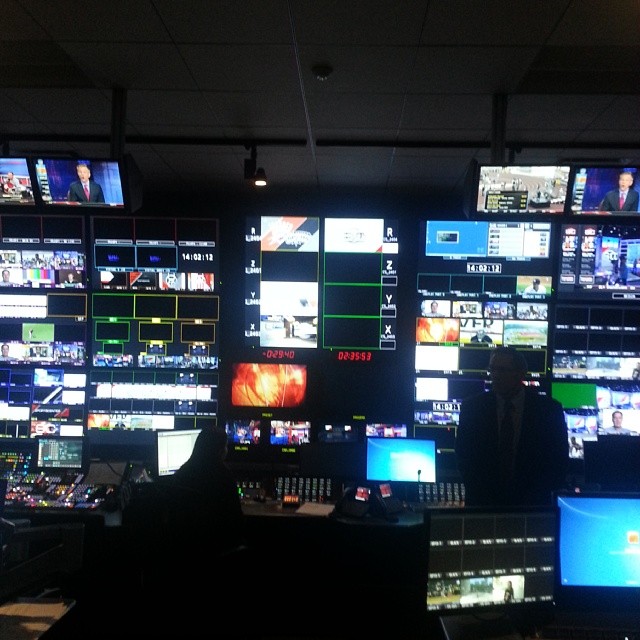
Current Trends in Sports Broadcasting
Today, 스포츠중계 is more accessible than ever. With the proliferation of smartphones and smart devices, fans can watch games live from anywhere in the world. Streaming services like ESPN+, DAZN, and others have emerged, offering subscription-based access to a wide range of sports. This shift has led to a decline in traditional cable subscriptions, as more viewers opt for flexible, on-demand viewing options.
Social media platforms also play a crucial role in modern sports broadcasting. Fans can engage with their favorite teams and athletes in real-time, sharing highlights and commentary instantly. Platforms like Twitter, Instagram, and TikTok have become essential tools for sports marketing, allowing teams to connect with their audience on a more personal level.
Moreover, the integration of augmented reality (AR) and virtual reality (VR) technologies is set to revolutionize the way fans experience sports. These technologies offer immersive experiences, allowing fans to feel as though they are part of the action, whether they are at home or in the stadium.
The Impact on Fans and the Sports Industry
The evolution of Sports broadcasting has had a profound impact on both fans and the sports industry. For fans, the ability to watch games from anywhere and engage with their favorite teams has enhanced the overall experience. They can now follow multiple sports and leagues simultaneously, creating a more diverse and inclusive sports culture.
For the sports industry, the rise of digital broadcasting has opened new revenue streams. Advertisers are increasingly targeting online audiences, leading to innovative marketing strategies. Additionally, teams and leagues can now reach global audiences, expanding their fan base and increasing merchandise sales.
However, this shift also presents challenges. The competition for viewers’ attention is fierce, and sports organizations must continuously innovate to keep fans engaged. Furthermore, issues related to broadcasting rights and piracy have become more prevalent, requiring careful navigation to protect the interests of all stakeholders involved.

Conclusion
In conclusion, Sports broadcasting has evolved significantly over the years, adapting to technological advancements and changing consumer preferences. As we move forward, the landscape of sports broadcasting will continue to transform, driven by innovation and the desire for enhanced fan experiences. The future of sports broadcasting promises to be exciting, with endless possibilities for engagement and connection between fans and their favorite sports.