
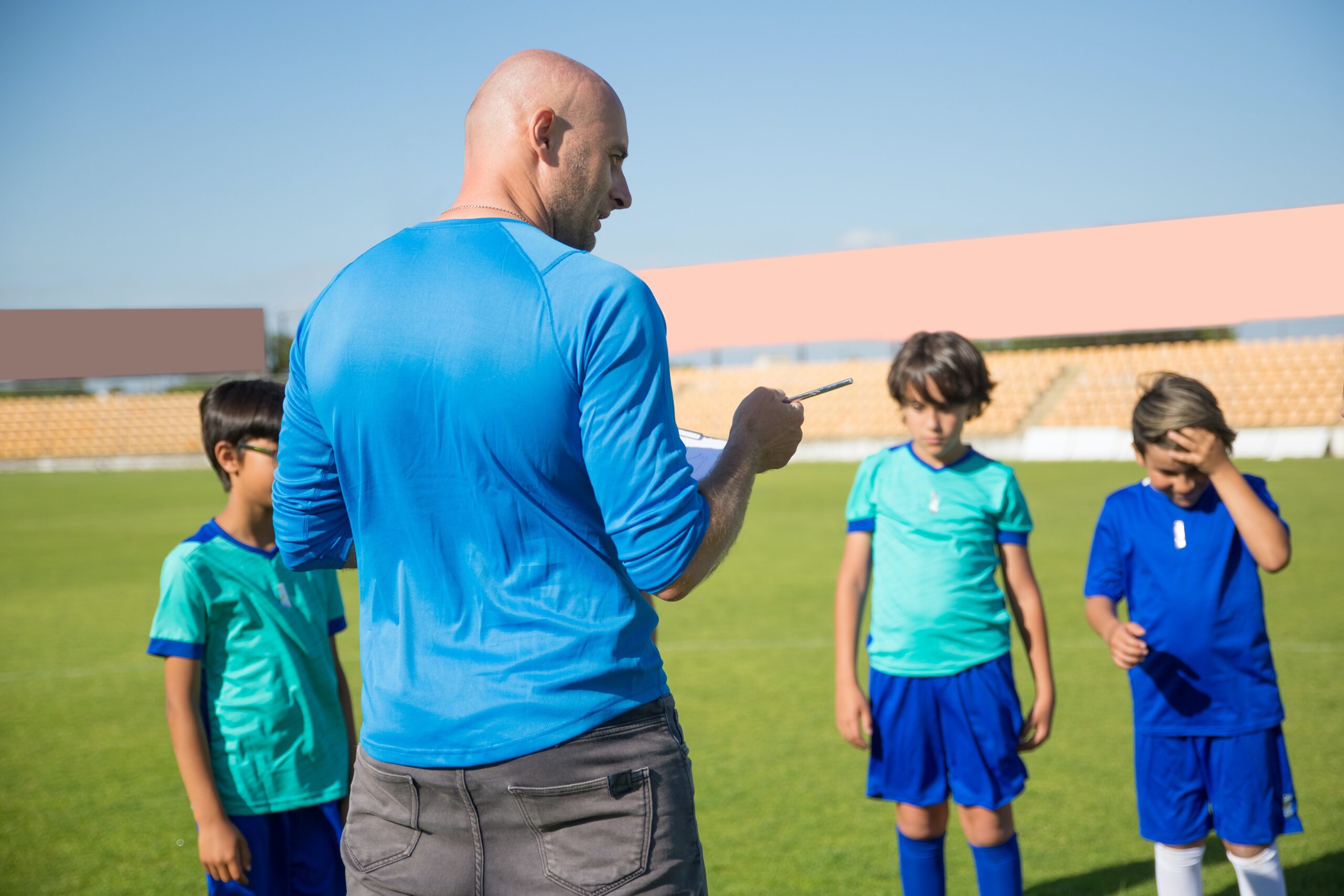
Sports are not just games; they reflect human determination, excellence, and passion. Every successful athlete, thus, requires a dedicated coach who plays a crucial role in shaping the future of their career.
Coaches are the unsung heroes of the sporting world. They provide support, guidance, and expertise to the athletes. On top of serving as mentors, they are strategists, motivators, and sometimes substitute parents. The role of coaches in sports can therefore be summed up as follows:
Mentors and Motivators
Coaching goes beyond the Xs and Os of the game. Coaches are mentors and motivators, inspiring athletes to reach new heights through resilience, work ethic, and discipline. They provide an environment fostering athletes’ personal growth and development, shaping them into skilled competitors and well-rounded individuals.
In addition to the impact of a coach’s motivation on athletes, sports fans can also feel the influence, especially in team sports like football, basketball, and baseball. It is a crucial factor that is often overlooked, especially by punters. In betting, the coach plays a vital role for the team and its players it coaches.
Since motivation can impact the outcome of a match, it is essential for the coach to guide not only the whole team, but also individual players in the right direction. This is a good strategy to have in mind while you find the best betting tips before placing your next wager. With experts’ guidance and advice, you will make more informed decisions.
Lifeskill Educators
The role of coaches in the lives of athletes goes beyond sports, as they impart valuable life lessons that they carry with them throughout their lives. Some skills include dedication, collaboration, adaptability, respect, and perseverance. These qualities shape athletes into well-rounded individuals capable of thriving in all aspects of life.
With dedication, athletes understand that they need to put in consistent effort, determination, and a willingness to push limits to see results. Collaboration trains them to work together, communicate, and support one another to achieve common objectives. Adapting to changing circumstances allows athletes to embrace new challenges and seize growth opportunities.
By instilling these essential life skills, coaches contribute to the growth and success of athletes on the field and beyond. It empowers them to lead fulfilling and impactful lives above their competitive careers.
Talent Developers
Coaches can spot raw talent and the potential for greatness in athletes, even when it may not be evident to others. This allows them to shape individuals and teams with diverse skill sets, maximizing their collective strengths and enhancing overall performance.
Talent development is a gradual process that requires patience and consistency. Therefore, coaches invest time and effort in building a solid foundation of fundamental skills and knowledge for athletes, such as rising football stars. Whether mastering basic techniques, improving tactical awareness, or understanding game strategies, coaches instill a strong base that serves as a platform for future growth.
Making Lifestyle Recommendations
In addition to practicing plans, a sports trainer can recommend nutrition and diet plans for the athletes. They can advise on a healthy lifestyle, including what and when to eat, relaxation, and enough sleep routines.
When dealing with professional athletes, the focus is not just on enhancing performance but also involves personal development. It inspires them to strive for the best and develop their techniques and knowledge.
Role Model
Another critical aspect of coaching is leading by example. They understand that their actions speak louder than words and act as role models, showcasing the values and qualities they expect from their athletes. On the other hand, athletes look up to their coaches for inspiration, not only as game instructors but also as individuals of integrity, leadership, and quality.
Therefore, when athletes witness their coaches displaying integrity, they understand that winning at any cost is not the ultimate goal. Their role models train them that true victory goes beyond the outcome of a game. It also depends on how they conduct themselves and treat others throughout the journey.
Strategizing for Victory
Thanks to their wealth of knowledge and expertise, coaches play a vital role in strategy and game planning. They use their analytical skills and understanding of the sport to plan for victory. To achieve this, they take their time to study opponents, devise game plans, and design training sessions to hone athletes’ skills.
In moments of intense competition, coaches should think quickly and make instant decisions. This is where their strategic minds come into play. Whether adjusting the team’s formation, calling for critical substitution, or altering the game plan, they should easily navigate challenging situations.
The Backbone of Sporting Excellence
As the backbone of the sporting world, coaches are the guiding force behind athletes’ journey to excellence by providing more than just technical expertise. Their dedication and passion fuel athletes’ dreams, creating a lasting legacy of greatness.
A sports trainer has to ensure that players practice in safe environments. They also observe, analyze, and give feedback on their performance while suggesting improvements. With the help of schedules for individuals and teams, they can tell when it’s time for a player to move to the next level.