
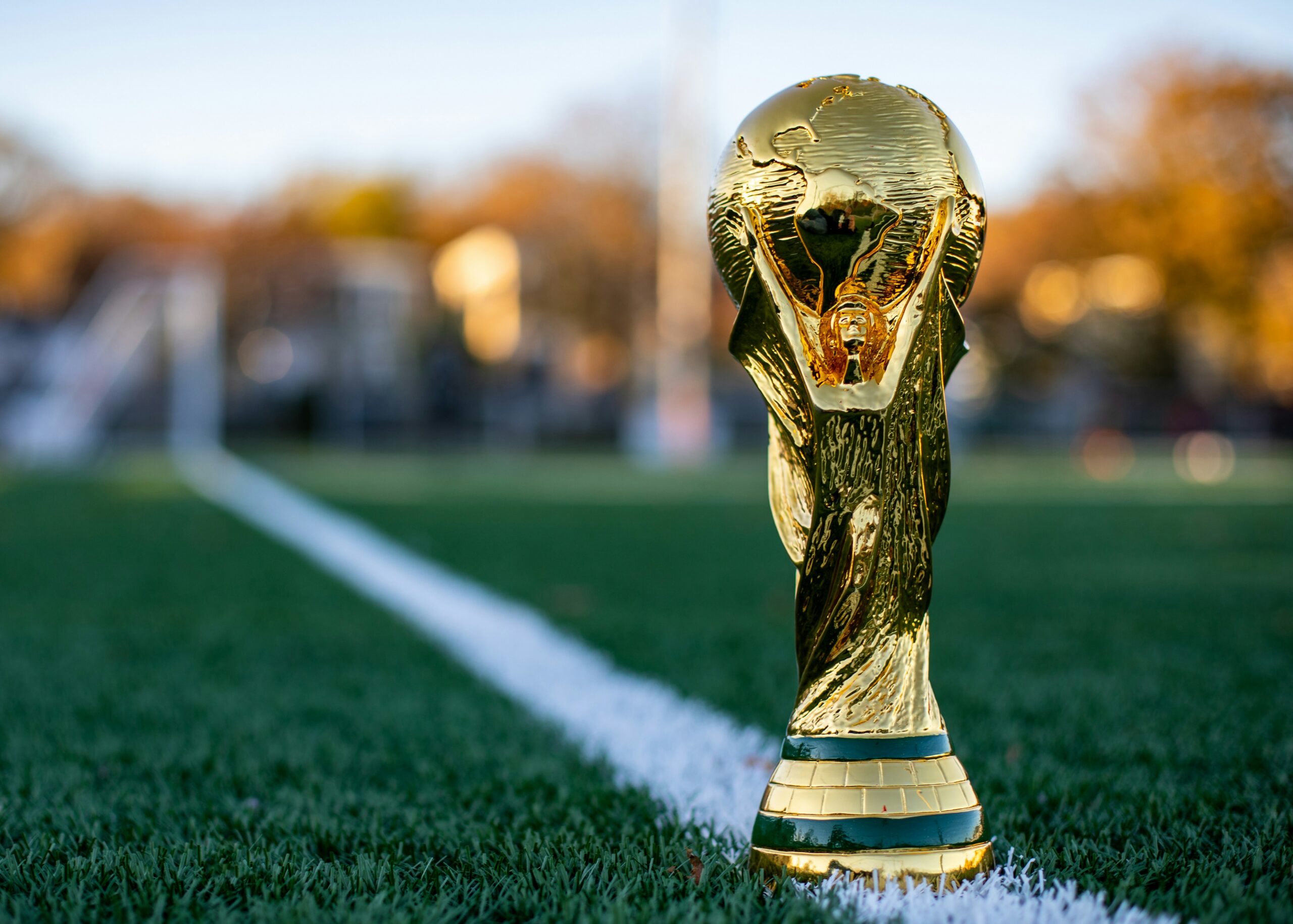
The 2026 FIFA World Cup is approaching fast, and early futures markets are already taking shape across major sportsbooks in the United States. For American fans who follow the World Cup with the same intensity they bring to other marquee sporting events, this cycle feels especially compelling. Traditional powers are retooling, emerging nations are building on recent breakthroughs, and several managers are stepping into defining moments of their careers.
Early odds reflect history, recent form, and public perception, but they also shift quickly as qualifying continues and narratives evolve. From Argentina’s pursuit of back-to-back titles to Morocco’s rise as a legitimate contender, five nations are generating the most buzz in early 2026 World Cup betting markets.
Argentina: The Defending Champions Chasing History
Argentina entered 2026 as the defending World Cup champions, attempting something no nation has achieved since Brazil won back-to-back titles in 1958 and 1962. Lionel Scaloni remains in charge, and continuity defines this squad. The core that lifted the trophy in Qatar also secured Copa América titles in 2021 and 2024, reinforcing their tournament pedigree.
Lionel Messi turns 39 during the competition, and the question becomes whether this tournament serves as a final flourish or another crowning chapter. Around him, Argentina blend experience with tactical discipline, rarely deviating from a proven structure.
Defending champions often draw heavy attention from bettors, which is reflected in early World Cup odds across platforms. In the case of Argentina, FanDuel World Cup odds show how the market balances championship pedigree with variables like age, squad depth, and tournament pressure. Tracking these odds offers a window into how collective expectations assess both the team’s strengths and potential vulnerabilities in 2026 futures markets.
Brazil: A 24-Year Hunger and a New-Look Tactician
Brazil’s 24-year drought without a World Cup title equals the longest gap in the nation’s storied history. Since lifting the trophy in 2002, the Seleção consistently reached the latter stages but has fallen short of ultimate glory. That narrative fuels urgency heading into 2026.
Carlo Ancelotti’s presence adds intrigue. The decorated Italian manager brings structure and calm authority, aiming to channel Brazil’s attacking brilliance into a cohesive tournament blueprint. Vinícius Júnior headlines a dynamic front line capable of overwhelming defenses when rhythm clicks.
Brazil features in Group C alongside Morocco, Haiti, and Scotland, a group that promises stylistic contrast from the outset. Some observers argue Brazil are “due,” but historical droughts do not dictate outcomes. Markets price performance, depth, and path difficulty. Evaluating Brazil requires focusing on tactical evolution and matchup context rather than emotional narratives tied to past glory.
Morocco: Africa’s Rising Force and a Legitimate Dark Horse
Morocco reshaped global perceptions in 2022 by becoming the first African nation to reach a World Cup semifinal. That run is not a fluke; it reflects tactical discipline and collective belief. Walid Regragui remains at the helm, and continuity strengthens their identity. For bettors and fans tracking team trends, resources like FanDuel Research provides early insights into Morocco’s standing and futures potential.
Soccer narratives show that the Atlas Lions rely on defensive organization and quick transitions, frustrating elite opponents and controlling tempo. A heartbreaking Africa Cup of Nations final loss to Senegal in January adds emotional fuel. That setback sharpens focus rather than derailing momentum.
Drawn into Group C with Brazil, Morocco faces a headline matchup early. For bettors, that opener offers insight into how their defensive system handles world-class attackers. Morocco’s proven semifinal pedigree and cohesive structure keep them relevant in futures conversations, especially before odds potentially adjust deeper into qualifying and pre-tournament friendlies.
England: 60 Years of Hurt, One Golden Generation
England continues its search for its first World Cup title since 1966, but the 2026 roster boasts rare depth and experience. Thomas Tuchel steps in with a Champions League-winning résumé and a reputation for tactical detail. His structured approach contrasts with previous regimes and aims to elevate England’s ceiling.
Harry Kane leads from the front, while an impressive midfield arsenal provides technical precision and creative flair. This core grows together through repeated deep tournament runs, gaining valuable experience along the way.
England land in Group L alongside Croatia, Ghana, and Panama. That group presents an early measuring stick against varied styles. Futures markets often reflect heavy public interest in England, which shapes perception. The key question is whether Tuchel’s system translates star power into consistent knockout-stage execution against Europe and South America’s elite.
Spain: Young, Hungry, and Built to Peak at the Right Time
Spain arrive as reigning European champions and pursue their first World Cup title since 2010. Their 2022 Round of 16 exit against Morocco still lingers, adding urgency to this cycle. Yet the current roster feels different, younger, faster, and tactically flexible.
Lamine Yamal and Nico Williams headline a generation that blends technical mastery with vertical intent. Spain’s possession-based identity remains intact, but tempo and directness now complement their traditional control.
From a betting standpoint, Spain’s style often produces predictable performance trends. They dominate possession, limit opponent opportunities, and manage matches methodically. That consistency influences both futures pricing and match-level markets. Among European heavyweights, Spain combines youth progression with tournament experience, positioning itself prominently in early 2026 odds conversations.
Tracking Momentum on the Road to 2026
Early World Cup odds reflect both reputation and projection, but they remain fluid as qualifying campaigns unfold and injuries reshape rosters. Argentina’s quest for history, Brazil’s tactical reset, Morocco’s continued ascent, England’s structural evolution, and Spain’s youthful surge each tell a distinct story.
For fans analyzing every development ahead of the World Cup, the global tournament offers layered narratives and strategic nuance. Futures markets respond to context, group draws, managerial stability, and stylistic matchups, all of which matter.
As 2026 approaches, the nations rising now may not look identical a year from now. Tracking these developments early provides perspective on how perception and performance intersect on soccer’s biggest stage.
Content reflects information available as of 2026/03/03; subject to change.