
2020 has been an odd year for all of us. The coronavirus and Covid-19 pandemic have impacted all aspects of our day to day lives. With governments around the world putting stay at home orders in place back in March, our routines and habits have had to completely change over the past few months. Rather than heading to work, we’ve been working from home.
Instead of the kids being at school, we’ve been caring for them in our own four walls. A big change for any soccer fans out there? Games were cancelled, as players were unable to play without coming within a two metre distance of each other. These measures have all been important in order to minimise and slow the spread of the virus around the world. But as we’re learning to deal with the virus and as infection rates are dropping, restrictions are slowly being lifted and life is beginning to get back to normal. This includes sports!
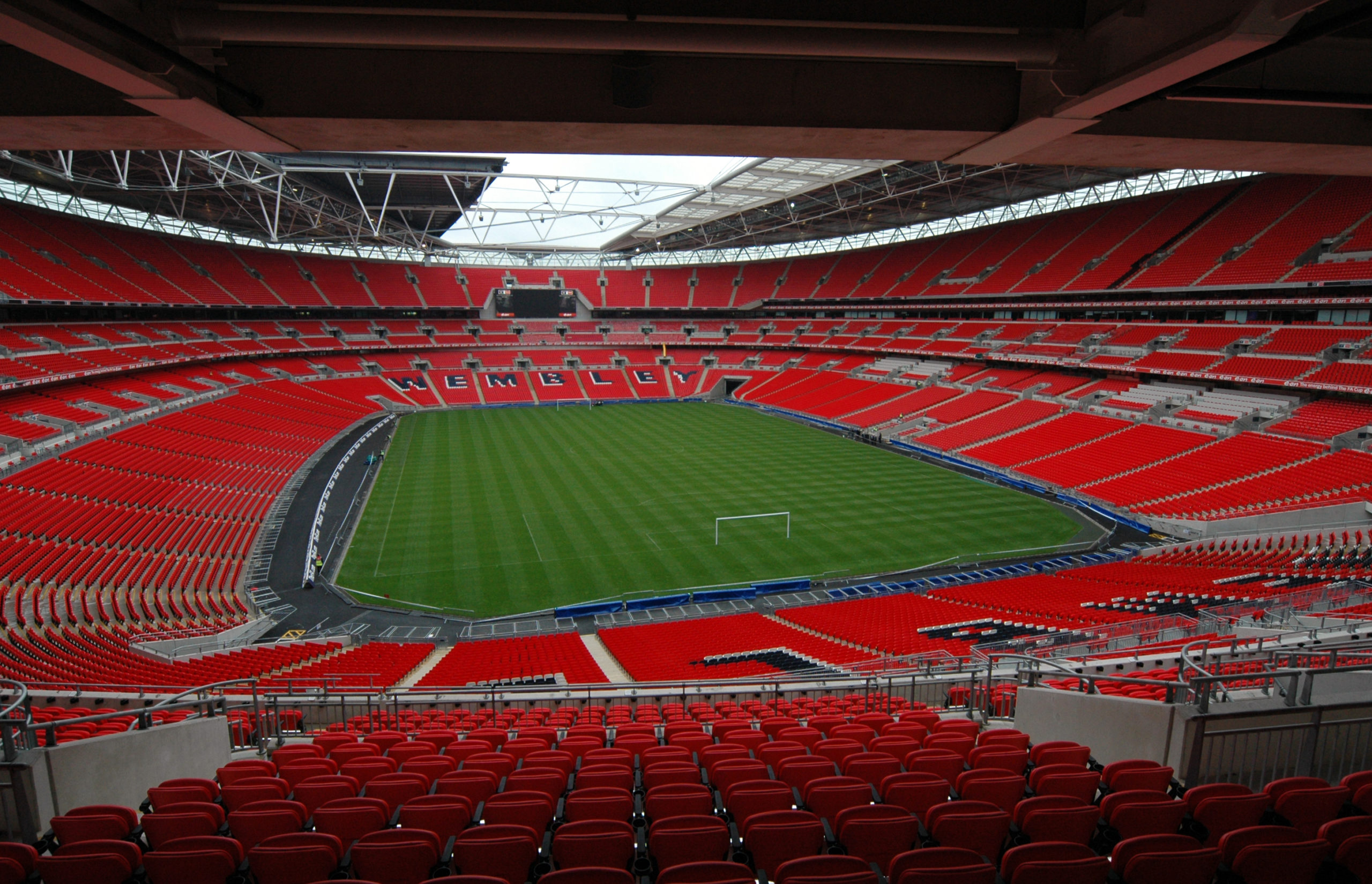
When it comes to soccer, the Premier League got back to business in June. On June 25th, Manchester lost 2 – 1 to Chelsea at Stamford Bridge, making Liverpool the winners of the cup. On the 1st August, Arsenal won the FA Cup after beating Chelsea 2 – 1 to Chelsea at Wembley Stadium. With these kind of results, it’s safe to say that soccer is safe and will continue, despite interruptions caused by the Covid-19 pandemic.
How Is Football Operating During the Pandemic?
While football is still going ahead, things aren’t quite back to usual. Different measures are being put in place and different protocol is being followed in order to protect players and fans alike. Footballers, like the rest of us aren’t immune to the virus and the close contact nature of the sport with people outside of the players’ own households puts players at particular risk of contracting and spreading the virus. Stadiums would also prove a hotbed for coronavirus, with seats and stalls packing thousands of people into relatively confined spaces.
So, how is the sport going ahead in current conditions?
Testing Players
The Premier League has invested £4 million to acquire coronavirus testing kits that can be used to test their players. The tests determine both whether the player has the virus now, as well as identifying the presence of antibodies, which could indicate whether the player has had the virus in the past. Each club will receive 80 tests to ensure that 40 players and staff members can be tested twice every week. This gives a consistent idea of whether players or staff have the virus or not and who needs to quarantine to prevent the spread of the virus.
The test consists of two parts. The first involves a nose swab and a swab from the back of the throat. The samples are then sent to a private facility in London called The Doctors Laboratory. The swabs will then be analysed to determine whether the player or staff member has coronavirus. Results are returned within 48 hours.
If a player or staff member tests positive for coronavirus, they need to isolate for seven days before being swabbed again to determine whether they still have the virus or not.
Closing Stadiums
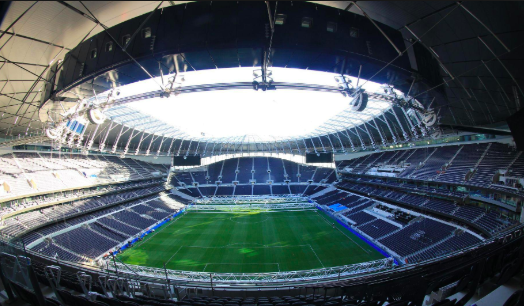
While teams have got back to playing, they’re currently playing in empty stadiums without fans present. This is because, as we have briefly touched upon above, it would be nigh on impossible to properly socially distance fans in the stalls. Games are being played behind closed doors for the foreseeable future.
As of yet, there is no official guidance or indication of when fans will be permitted to return to matches. It is generally agreed that fans will be looking at watching games from their own homes for the next six to twelve months at least. This, of course, is better than no football at all and you can still keep the excitement in watching by taking a look at soccer betting odds and enjoying the games with those you live with.
Players Who Have Had Coronavirus
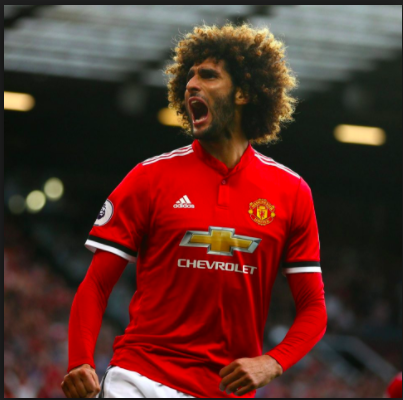
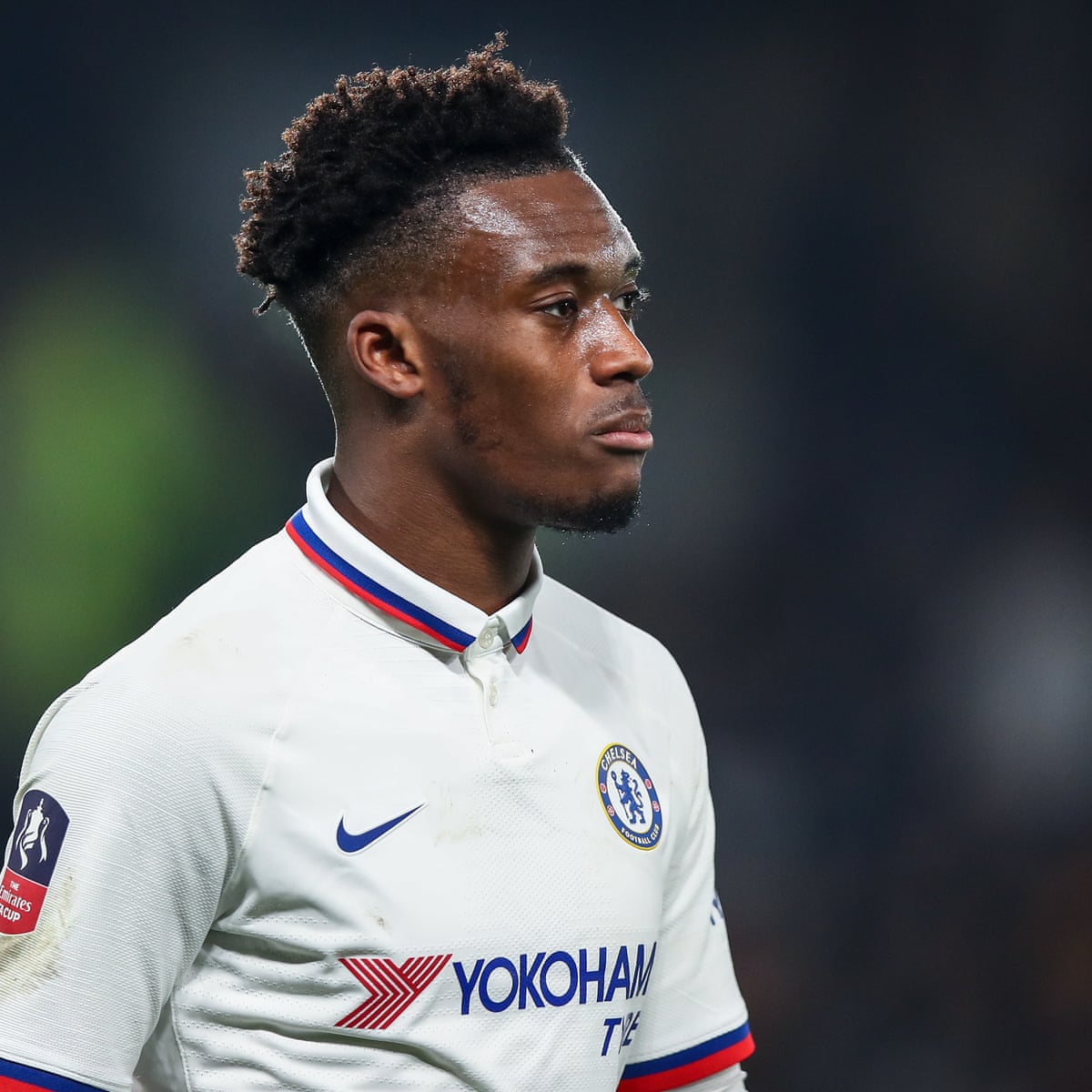
Now, you may be interested to know which players have had coronavirus. You’ll notice from the list that once one player for a club has the virus, a few others seem to contract it too. This is why it is of the utmost importance that clubs take this situation seriously and carry out thorough testing to avoid, prevent and slow the spread throughout their club.
- Daniele Rugani, Juventus
- Blaise Matuidi, Juventus
- Paulo Dybala, Juventus
- Manolo Gabbiadini, Sampdoria
- Omar Colley, Sampdoria
- Albin Ekdal, Sampdoria
- Antonio La Gumina, Sampdoria
- Morten Thorsby, Sampdoria
- Fabio Depaoli, Sampdoria
- German Pezzella, Fiorentina
- Patrick Cutrone, Fiorentina
- Dusan Vlahovic, Fiorentina
- Mattia Zaccagni, Verona
- Callum Hudson-Odoi, Chelsea
- Luca Kilian, Paderborn
- Timo Hubers, Hannover
- Jannes Horn, Hannover
- Hyun-Jun Suk, Troyes
- Ezequiel Garay, Valencia
- Eliaquim Mangala, Valencia
- Marouane Fellaini, Shandong Luneng
- James Bolton, Portsmouth
- Andy Cannon, Portsmouth
- Sean Raggett, Portsmouth
- Haji Mnoga, Portsmouth
While times may be odd, we can at least rest assured that football is going ahead to provide us with entertainment and some distraction from the difficult situations that many of us are facing right now.
You can also rest assured that teams, staff and fans are all being protected as best possible!