
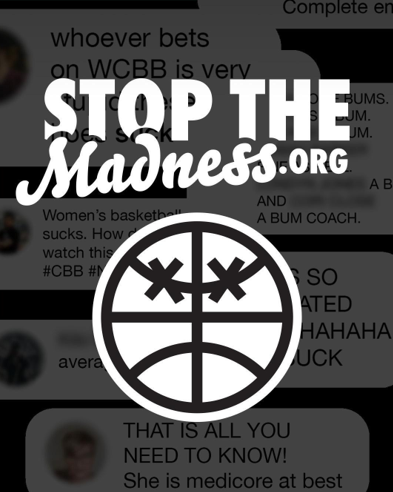
In a powerful stand against online harassment in collegiate sports, BetterHelp has launched the “Stop the Madness” campaign in partnership with college basketball stars Kiki Rice, Zoe Brooks, and Chance Gray. This timely initiative addresses the growing mental health challenges student-athletes face due to online abuse, particularly as sports betting continues to gain popularity across the country.
The Alarming Reality of Online Harassment in Collegiate Sports
The mental health crisis among student-athletes has reached concerning levels, with alarming statistics highlighting the severity of the problem. According to recent studies, one in three high-profile collegiate athletes receive abusive online messages. Last year’s tournament alone saw nearly 72,000 harmful comments directed at student-athletes. Perhaps most troubling is the gender disparity in this abuse, with female athletes experiencing three times more online threats than their male counterparts.
“Mental health is not a sideline issue—it is the entire game,” said Fernando Madeira, president and CEO of BetterHelp. “We are breaking down the barriers that keep athletes from seeking help, transforming mental health support from a whispered conversation to a powerful statement of courage and hope.”
The rise in sports betting has exacerbated this problem, with athletes increasingly receiving blame on social media for betting outcomes. This additional pressure compounds the already significant demands of balancing academic responsibilities with athletic performance.
BetterHelp’s “Stop the Madness” Initiative
Through the “Stop the Madness” campaign, BetterHelp is offering a free month of therapy to any student-athlete who visits StopTheMadness.org. This resource comes at a crucial time, as studies show that while one in five collegiate athletes reports experiencing mental health concerns, fewer than half seek support. The campaign emphasizes that prioritizing mental health should be as important for athletes as practicing their sport.
The partnership with Rice, Brooks, and Gray brings visible credibility to the initiative. These college basketball superstars will wear jackets featuring the StopTheMadness.org website to inspire open dialogue around mental health among their peers and teammates.
“As athletes, we’re trained to handle pressure—and not just during the game. It follows us off the court and everywhere we go,” said Kiki Rice. “Without the right support, it can really take a toll. So, if you’re a student-athlete—or you know one—remember help is out there. And asking for it is one of the strongest things you can do.”
Accessible Mental Health Support for Student-Athletes
BetterHelp’s online therapy model offers several advantages for student-athletes, who often face unique barriers to seeking help. The platform’s flexible communication options—including video sessions, phone calls, live chat, and messaging—allow athletes to connect with licensed therapists in ways that fit their demanding schedules and comfort levels.
This flexibility is particularly valuable during travel periods for away games or tournaments when maintaining consistent in-person therapy might be challenging. The confidential nature of the platform also addresses concerns about privacy that many student-athletes have when considering mental health support.
Professional Support Through BetterHelp’s Therapist Network
As the world’s largest online therapy service, BetterHelp connects student-athletes with its network of over 32,000 licensed mental health professionals. These professionals include licensed psychologists, marriage and family therapists, clinical social workers, and professional counselors, all of whom have met rigorous credentialing requirements including possessing a minimum of 1,000 hours of practical experience.
The platform’s sophisticated matching system helps connect student-athletes with therapists who understand their specific situation and concerns. This intentional matching is particularly important for athletes who may feel that their experiences aren’t fully understood by mental health providers unfamiliar with the pressures of competitive sports.
Creating Safe Spaces for Mental Health Conversations
Beyond providing direct therapy services, the “Stop the Madness” campaign aims to create safe spaces for conversations about mental health in athletic environments. By having respected college basketball players like Rice, Brooks, and Gray openly discuss the importance of mental health care, the initiative works to normalize therapy as an aspect of overall wellness and performance optimization rather than a sign of weakness.
The campaign includes educational components designed to help student-athletes develop healthier relationships with social media and build resilience against online criticism. These resources focus on practical strategies for managing digital interactions, setting boundaries with social media use, and developing coping mechanisms for dealing with public criticism.
Broader Impact on Collegiate Athletics
This collaboration between BetterHelp and college basketball stars signals a growing recognition of mental health as a priority in collegiate athletics. As awareness increases about the psychological challenges faced by student-athletes—particularly those in high-profile sports—institutions and organizations are increasingly seeking partnerships that can provide meaningful support.
The initiative also reflects BetterHelp’s broader commitment to expanding mental health access to diverse populations with specific needs. Founded in 2013, BetterHelp aims to remove traditional barriers to therapy and make mental health care accessible to everyone. Having already helped millions worldwide take control of their mental health and achieve personal goals, the company continues to address the unmet need for mental health services globally.
A Call to Action for Student-Athletes
The “Stop the Madness” campaign represents more than just a temporary support measure; it’s a call to action for student-athletes across the country to prioritize their mental wellbeing. By offering a free month of therapy services, BetterHelp is removing the initial barriers that often prevent young athletes from seeking professional support.
For many student-athletes, the college years represent a formative period that shapes not only their athletic careers but also their long-term relationship with mental health and wellness. Providing proper support during this critical time can help establish healthy patterns that extend well beyond their competitive careers.
As this partnership develops, it may serve as a model for how athletic programs can better support their student-athletes in the digital age, acknowledging that excellence in sports requires not just physical training but comprehensive support for mental and emotional wellbeing as well. Student-athletes interested in taking advantage of this offer can visit StopTheMadness.org for more information and to register for their free month of therapy.