
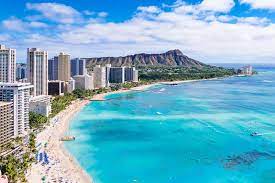
Hawaii, often dubbed the “Aloha State,” is renowned for its breathtaking landscapes, from sun-kissed beaches to majestic volcanoes and lush rainforests. Tourists flock to the islands to experience its natural beauty, rich culture, and the warm hospitality of its residents. But beyond the picturesque sunsets and vibrant luaus, Hawaii has a distinctive stance on gambling that sets it apart from most other U.S. states. While the mainland has seen a shift towards embracing various gambling activities, Hawaii remains steadfast in its conservative approach. This decision is deeply rooted in the state’s desire to preserve its unique cultural fabric and protect its residents from the potential pitfalls of gambling. The islands’ history, combined with its commitment to community well-being, has shaped its current perspective on gambling, making it a topic of intrigue for many.

The Historical Backdrop
Hawaii’s history with gambling is a tapestry woven with cultural, social, and political threads. The islands, with their rich Polynesian heritage, have always held community and tradition in high regard. Historically, the Hawaiian people engaged in games and activities, not for monetary gain, but for entertainment, skill-building, and social bonding. As Western influence grew, so did the introduction of gambling concepts. However, the state’s leaders recognized the potential challenges that widespread gambling could bring. Concerns about the erosion of cultural values, the well-being of the community, and the desire to maintain Hawaii’s image as a pristine paradise played significant roles in shaping the state’s policies. Over the years, while many states in the U.S. embraced gambling as a form of revenue and entertainment, Hawaii chose a path of caution, preserving its unique identity.

Hawaii’s Current Gambling Landscape
Today, Hawaii, along with Utah, stands as one of the two states with no form of legalized gambling. There are no casinos, no state lotteries, and no sports betting. This means that residents looking to indulge in these activities often have to travel outside the state. But the question arises, with the digital age upon us, what about Hawaii online casino? While online gambling platforms have seen a surge in popularity across many states, Hawaii’s stringent laws also encompass online gambling, making it illegal for residents to participate in any form of online betting or casino games.

The Socio-Economic Implications
Hawaii’s decision to refrain from legalizing most forms of gambling has led to a series of socio-economic implications. Economically, the state has forgone the potential revenue streams that casinos, lotteries, and other gambling establishments might bring. This revenue could have been channeled into public projects, education, or other state initiatives. However, on the flip side, Hawaii has also avoided the costs associated with problem gambling, such as increased crime, addiction treatment, and potential strain on social services. The state’s choice reflects a prioritization of societal well-being over potential economic gains. By keeping gambling at bay, Hawaii aims to maintain its reputation as a family-friendly destination and ensure that its residents and visitors alike can enjoy the islands without the potential negative distractions associated with gambling.

Conclusion
Hawaii stands as a testament to the idea that every state has the autonomy to shape its destiny based on its values, history, and vision for the future. The “Aloha State,” with its clear blue waters and verdant landscapes, has chosen a path that prioritizes the well-being of its people and the preservation of its rich cultural heritage over the allure of gambling revenues. While the debate on the pros and cons of gambling continues, Hawaii remains steadfast in its decision, ensuring that its islands remain a haven for both residents and visitors seeking an escape from the hustle and bustle of modern life.