
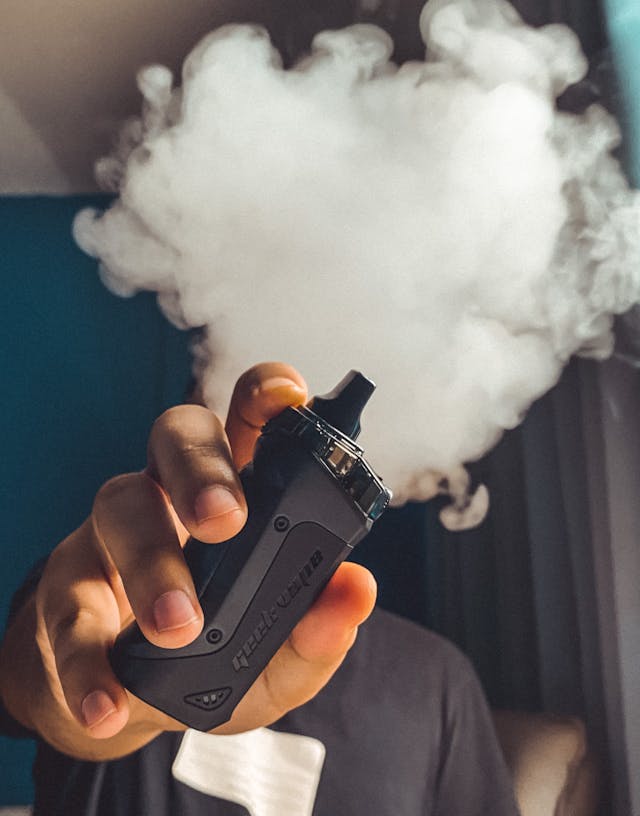
By 2026, vaping has changed. Availability is no longer the main part of the experience, even though products are easier to find and technology is better than ever. Instead of vaping being something people always have on hand and often use during the day, many adults now see it as an activity for specific moments. They choose to vape deliberately rather than continuously. This change marks a new chapter in how vaping fits into everyday life.
More users are not incorporating vaping into every break or transition. It now appears in carefully chosen times, like after finishing a tough task, during a long walk, or while enjoying a quiet evening. These moments feel intentional and personal, setting a clear line between use and non-use. Instead of just filling empty space, vaping becomes a way to recognize the passage of time. It offers structure rather than distraction.
This trend has affected the kinds of products people like. In 2026, many users pick devices for reliability and familiarity over novelty. They often commit to a single setup that feels stable and predictable. The desire for constant change has lessened, replaced with a preference for consistency. Users want to know exactly how their device will work each time, avoiding surprises or adjustments.
Nicotine salts fit this selective approach well. They deliver satisfaction quickly and smoothly, allowing users to feel fulfilled with minimal use. When vaping is limited to chosen moments instead of constant access, achieving balance becomes important. Nicotine salts support moderation by reducing the need for repeated sessions. This aligns with a wider trend toward mindful consumption. Those wanting more information about this formulation can find it here on nicotine salts.
Consumer habits in 2026 show this same selectivity. Purchases happen less often but with more thought. Many adults take time to research products, revisit trusted brands, and avoid impulse buying. Vaping items are no longer seen as disposable but as personal investments that need to earn their place in daily life. This has led manufacturers and retailers to focus on durability, quality, and transparency.
Flavor choices have also become simpler. Instead of trying many options, users often select flavors that feel neutral and calming, ones that fit with quiet moments. Clean fruit tones, soft herbal notes, and mild tobacco-inspired profiles are preferred because they remain enjoyable even when used infrequently. Nicotine salts help keep these flavors clear and smooth, ensuring each session feels the same even with time in between.
Technology in 2026 has adjusted to fit this slower pace. Devices focus on stability, automatic regulation, and durability rather than maximum output. Battery life has improved so much that charging is rarely an issue, allowing users to concentrate on the moment instead of their device. This quiet reliability reinforces the idea that vaping should fit into life without being disruptive.
Social behavior has evolved too. Many adults now see vaping as a personal experience rather than a shared one. They prefer discretion, not out of necessity but because they choose to. Low vapor output and subtle designs help them enjoy a moment without attracting attention. This has allowed vaping to exist more comfortably in shared spaces, mirroring a broader cultural shift toward private habits instead of public displays.
Environmental awareness continues to influence choices. Refillable systems and durable materials are now expected, not just seen as bonuses. Sustainability is part of this selectivity, as users think not only about when and how they vape, but also about the long-term effects of the products they choose.
In 2026, vaping is defined more by intention than access. The shift toward selective moments, supported by nicotine salts and thoughtful product design, shows how the experience has evolved into something quieter, more deliberate, and aligned with modern values of moderation, presence, and personal control.