
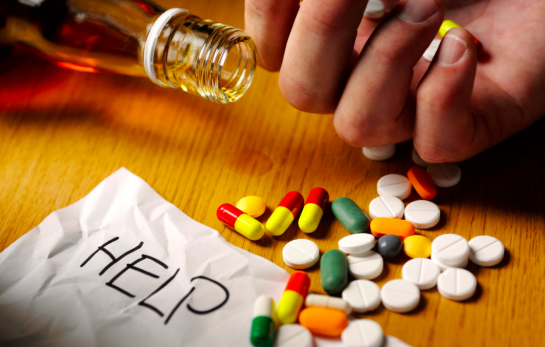
Addiction is a complex health condition that affects the brain and body—not a personal weakness or lack of willpower. Like other chronic illnesses such as diabetes or hypertension, addiction involves long-term changes in how the body functions and requires ongoing care. Treating it as a medical condition helps reduce stigma and improves access to effective, science-based care.
Substance use affects brain areas responsible for decision-making, reward, and impulse control. Over time, this creates a physical and psychological dependence that can’t be solved through willpower alone. Drug addiction treatment should involve a combination of medical support, behavioral therapy, and long-term recovery planning—just like treatment for other chronic conditions.
At Prestige Medical, addiction is approached with the same seriousness and structure as any other medical issue. This approach leads to better outcomes and greater respect for individuals seeking help. Treating addiction medically means focusing on healing, not blame.
How Substances Impact Brain Function
Substance use can significantly alter how the brain functions, especially in areas related to reward, motivation, and decision-making. Many drugs overstimulate the brain’s reward system by releasing large amounts of dopamine, a chemical linked to pleasure and reinforcement. Over time, the brain adapts to these surges by reducing its natural dopamine production or the number of receptors that respond to it.
As a result, people may begin to feel less pleasure from everyday activities and increasingly rely on substances just to feel “normal.” Long-term use also affects areas of the brain that control judgment, impulse control, and memory, making it harder to stop using—even when facing serious consequences.
These changes can persist long after someone stops using drugs, which is why relapse is common and why recovery takes time. Understanding these brain effects helps explain why addiction is more than just a habit—it’s a medical condition that requires structured, ongoing treatment and support.
Evidence-Based Treatment Improves Outcomes
Treating addiction with evidence-based methods leads to better, longer-lasting results. These approaches are grounded in scientific research and clinical experience, focusing on what has been proven to work for most people over time. Rather than relying on one-size-fits-all solutions, evidence-based treatment uses a combination of therapies tailored to individual needs.
Common components include behavioral therapies like cognitive behavioral therapy (CBT), which helps people identify and change patterns that lead to substance use. Medication-assisted treatment (MAT) is another effective option, especially for opioid or alcohol use disorders. It combines medications with counseling to manage cravings and reduce relapse risk.
Evidence-based care also includes continuous assessment, relapse prevention planning, and support for co-occurring mental health conditions. At facilities like Prestige Medical, using these trusted methods ensures that drug addiction treatment is both structured and flexible—adapting to each person’s progress and challenges. This approach increases the chances of sustained recovery and overall well-being.