
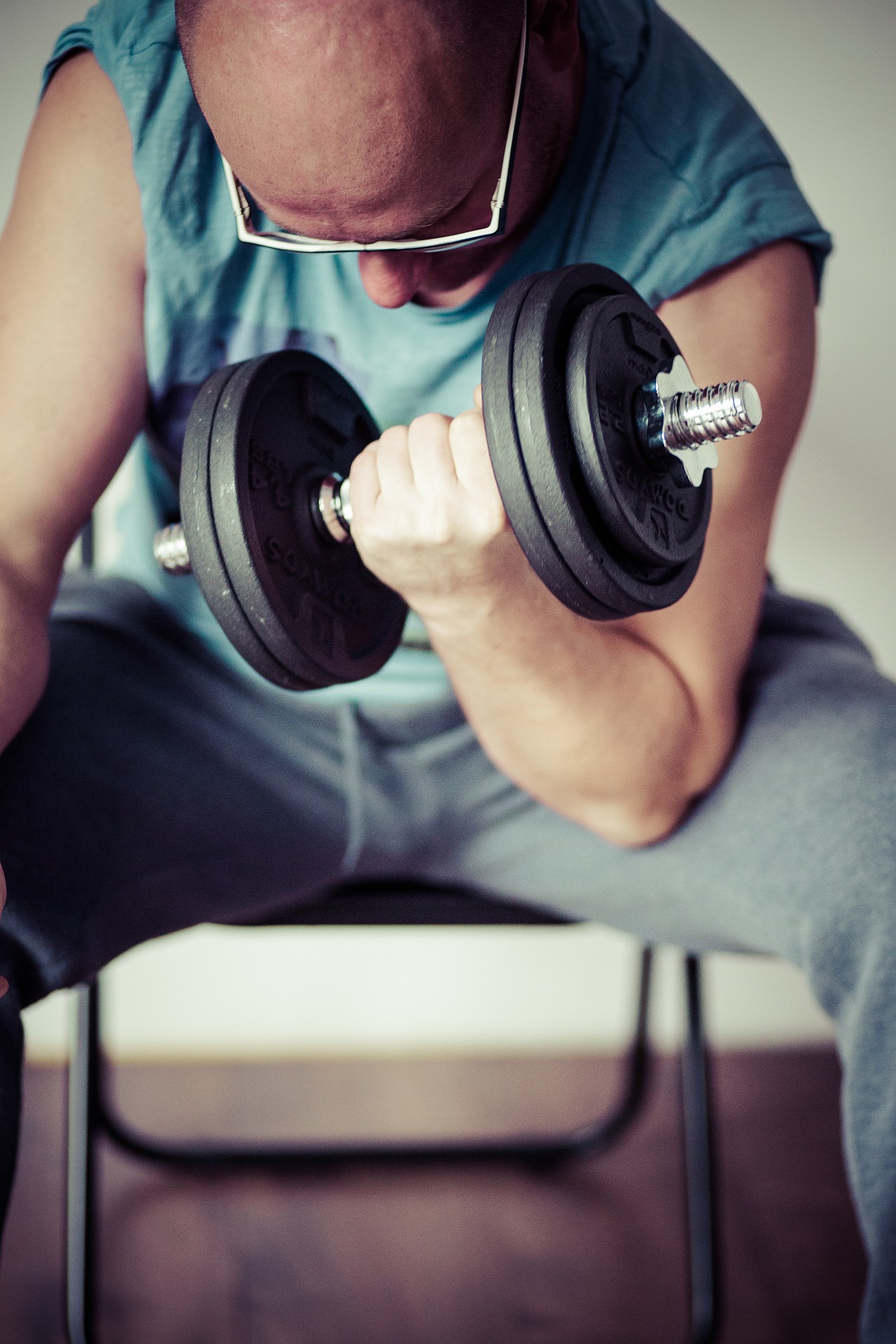
In amateur sports, dedication is one of the ingredients needed for improvement. Extra training sessions, longer workouts, and pushing through fatigue can feel like the right path to better performance. But there’s a fine line between commitment and overtraining — and crossing that fine line can do more harm than good by creating setbacks on the sidelines.
Overtraining refers to excessive exercising that doesn’t allow your body to recover. As a result, not only will your training results stagnate, but they may even worsen. Therefore, the risk of severe consequences can increase.
Amateur athletes, who have to manage not only their practice but also work or study, are especially vulnerable. With that said, here are five signs that suggest you may be overtraining.
- Excessive Fatigue That Doesn’t Disappear
After every training session, you’ll feel some fatigue. This is normal and usually passes relatively. But if you notice that no matter how much time you spend resting, your exhaustion continues, this could be the result of overtraining.
Your constant fatigue may be accompanied by other symptoms, such as a lack of energy throughout the day, difficulty concentrating, and a lack of motivation to train.
If your body hasn’t had enough time to rest, it’ll keep working in a stressed condition, depleting its energy resources. It’s important to consider whether you can reduce your output to fully recover and avoid further complications.
- Decline in Your Training Results Despite Increased Efforts
Another symptom of overtraining is a drop in training results despite ramped-up training. You might notice that your running pace is gradually slowing down, the level of strength you used to have decreases, or it’s difficult to finish your workouts.
This happens when your muscles can’t recover due to increased physical strain, leading to negative changes and affecting your athletic performance.
- Consistent Pain in Muscles and Joints
Although some degree of muscle soreness is expected after any intense training session, it should go away within several days and not linger with no seeming end in sight.
Doing too much can result in muscle soreness — possibly including strained tendons and joints — lasting for a long time.
It’s always dangerous to exercise while experiencing pain in your musculoskeletal system since this could cause more harm than good.
- Changes in Sleeping Habits
Proper rest is crucial to recovering after training sessions. However, overtraining can significantly impact your sleeping patterns by making it less effective. As a consequence, you can face the following difficulties:
- Inability to fall asleep or insomnia
- Restless and light sleep
- Inability to sleep through the night
As long as your body experiences stress, it can’t calm down and let you rest fully, even if you’re exhausted. So, it’ll be impossible for it to recover effectively.
- Lack of Motivation and Satisfaction
After overtraining and suffering the consequences, it’s not uncommon for athletes to lose some passion for the sports they’ve dedicated time and effort to perfecting their skills in.
Such changes are related to physical and psychological exhaustion, which prevents them from deriving any satisfaction from exercising. You’ll want to avoid this problem by knowing your physical limit and staying within it. Otherwise, you could suffer a serious personal injury.
Why Do Athletes Overtrain?
In contrast to professional athletes, amateurs usually have a lot of other things to do besides training. So, their recovery periods are limited.
In addition, many amateur athletes:
- Follow strict training programs without taking into consideration the limitations caused by work, studying, or social life
- Skip rest days in order to achieve quicker results
- Try to meet the standards set by teammates and rivals in order not to lag behind
That is why it’s so easy to overtrain — and why you should be mindful so you don’t make this mistake.
For every amateur athlete, it’s vital to achieve better results. However, it should not be done at the expense of their health. There are signs of overtraining; don’t ignore them if you want to continue developing and competing successfully.
Knowing the possible symptoms of overtraining will help you take appropriate steps to preserve your athletic skills and physical form.