
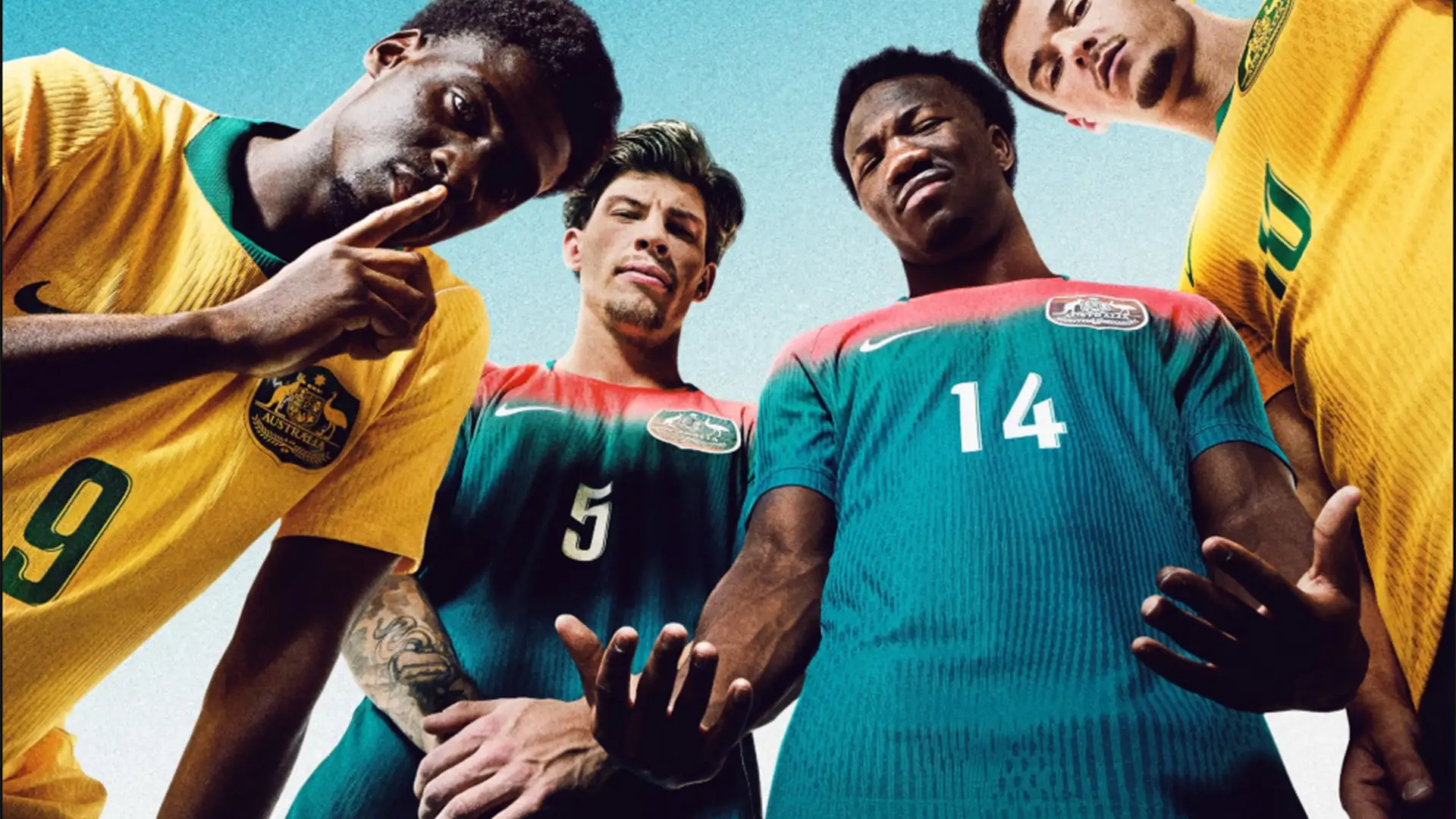
The journey is over. The Socceroos have been eliminated from the 2026 FIFA World Cup in heartbreaking fashion, losing 4-2 on penalties to a Mohamed Salah-led Egypt side after a 1-1 draw after extra time.
And yes, because this is Australian soccer, it ended in the most Aussie way possible.
Not with a whimper. Not with a hiding.
Not with the rest of the world politely patting us on the head and saying, “well done for having a go, little fella”. It ended with 120 minutes of stress, hope, swearing, bargaining with deities we do not usually acknowledge, and then penalties.
Of course it did.
The Socceroos’ World Cup run is done, but for once it should not feel like the end of something. It should feel like the start of the next big argument Australian soccer needs to have with itself.
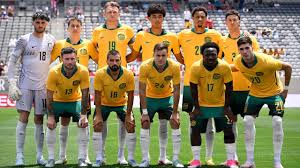
Because for the past three weeks, this team had the country.
The Australian men’s national team usually fights an uphill battle in a brutal local sporting landscape. It plays second fiddle to Australian rules football, rugby league, cricket and, in recent years, even its own far more successful and better-marketed sisters in green and gold, the Matildas.
That is not a complaint, by the way. The Matildas have earned every ounce of attention they get and then some.It does, however, speak to the strange, frustrating, occasionally maddening place the Socceroos occupy in the Australian sporting brain.
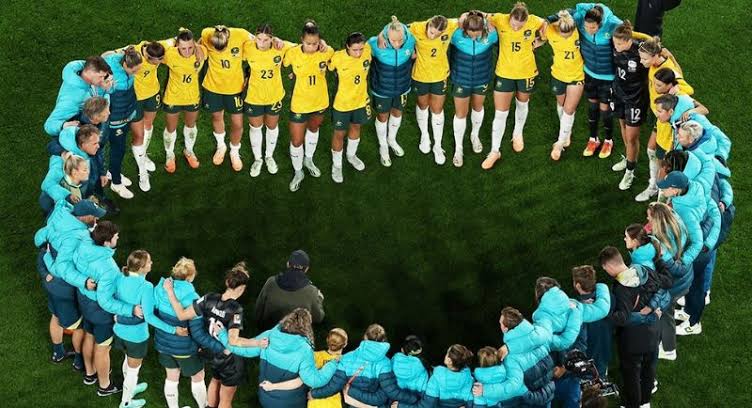
Most of the time, they are there in the background. Respected, sure. Admired, often. Properly loved by the rusted-on weirdos among us who know too much about Asian Cup qualifying permutations and have strong opinions about left backs.
But then a World Cup rolls around, and suddenly everyone remembers.

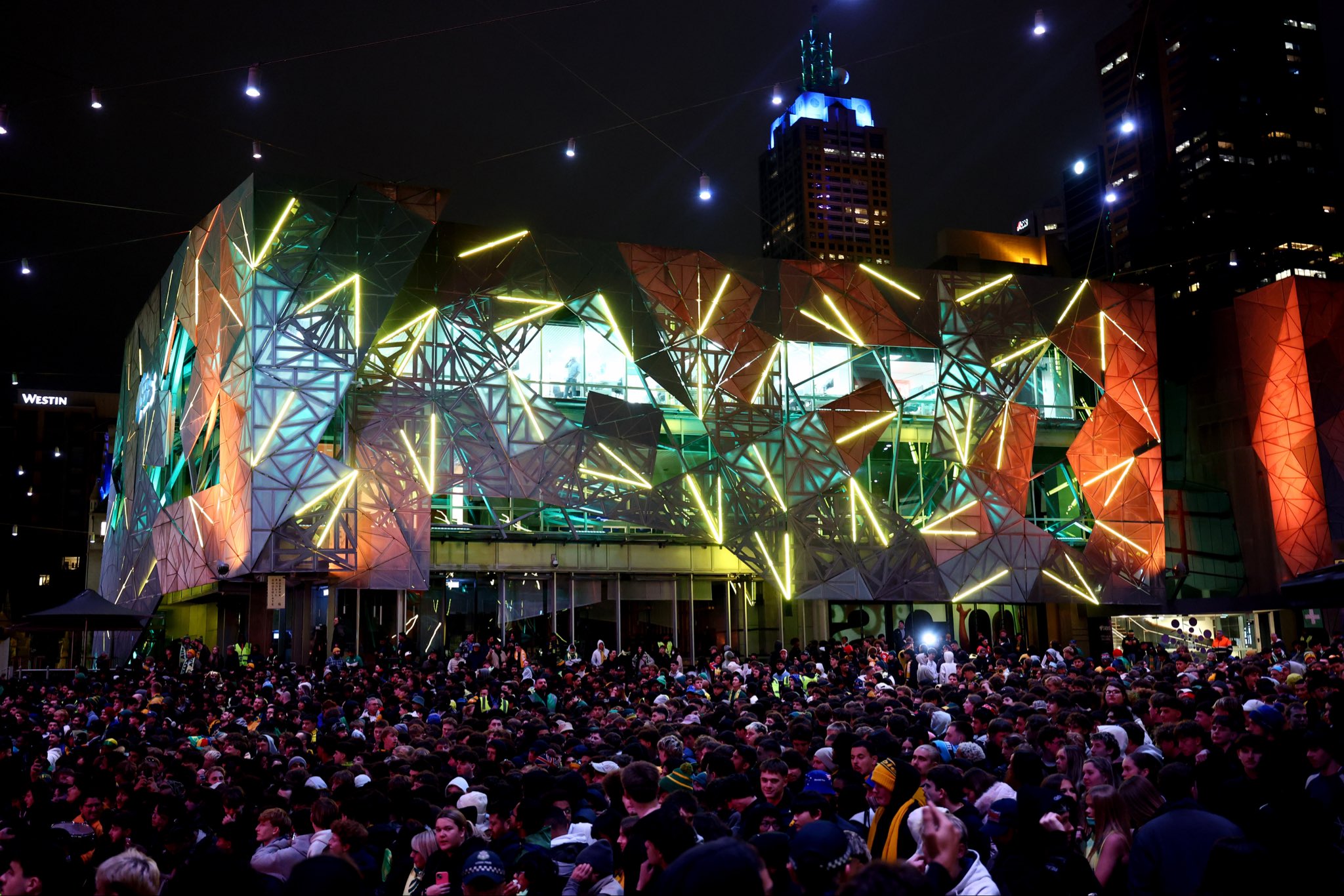
Crowds of thousands, including yours truly, rocked up to live sites at Federation Square in Melbourne, Darling Harbour in Sydney, Memorial Drive in Adelaide and plenty of other places across the country, in the early hours of the morning or during work hours, to stand shoulder to shoulder and cheer on our boys.
People who have not watched an A-League game since Alessandro Del Piero was in Sydney were suddenly experts on Tony Popovic’s back five.
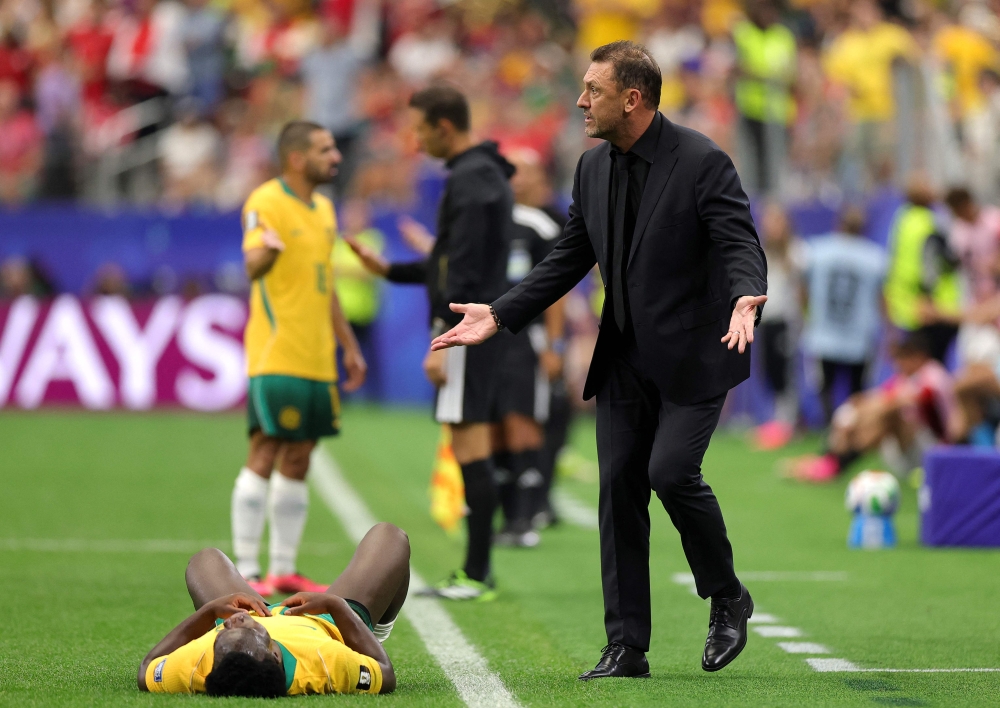
Blokes who bag the game for three-and-a-half years were suddenly explaining pressing triggers. Your mate who cannot name three current Socceroos without accidentally saying Tim Cahill was texting you at 4.18am about Patrick Beach.
This is what the Socceroos do.
They sneak up on the national mood, kick the door down, make everyone feel something, and then leave us standing there with a coffee, a headache and a fresh sense of sporting possibility and this campaign had plenty of that.

There was the delight of the 2-0 win over Turkey, a side that seemed to take one look at Australia and assume this would be a nice comfortable afternoon before being introduced to the full “actually, we are quite annoying” Socceroos experience.
There was Nestory Irankunda announcing himself on the World Cup stage. There was Connor Metcalfe belting one in from range, because sometimes the football gods aren’t always cruel.
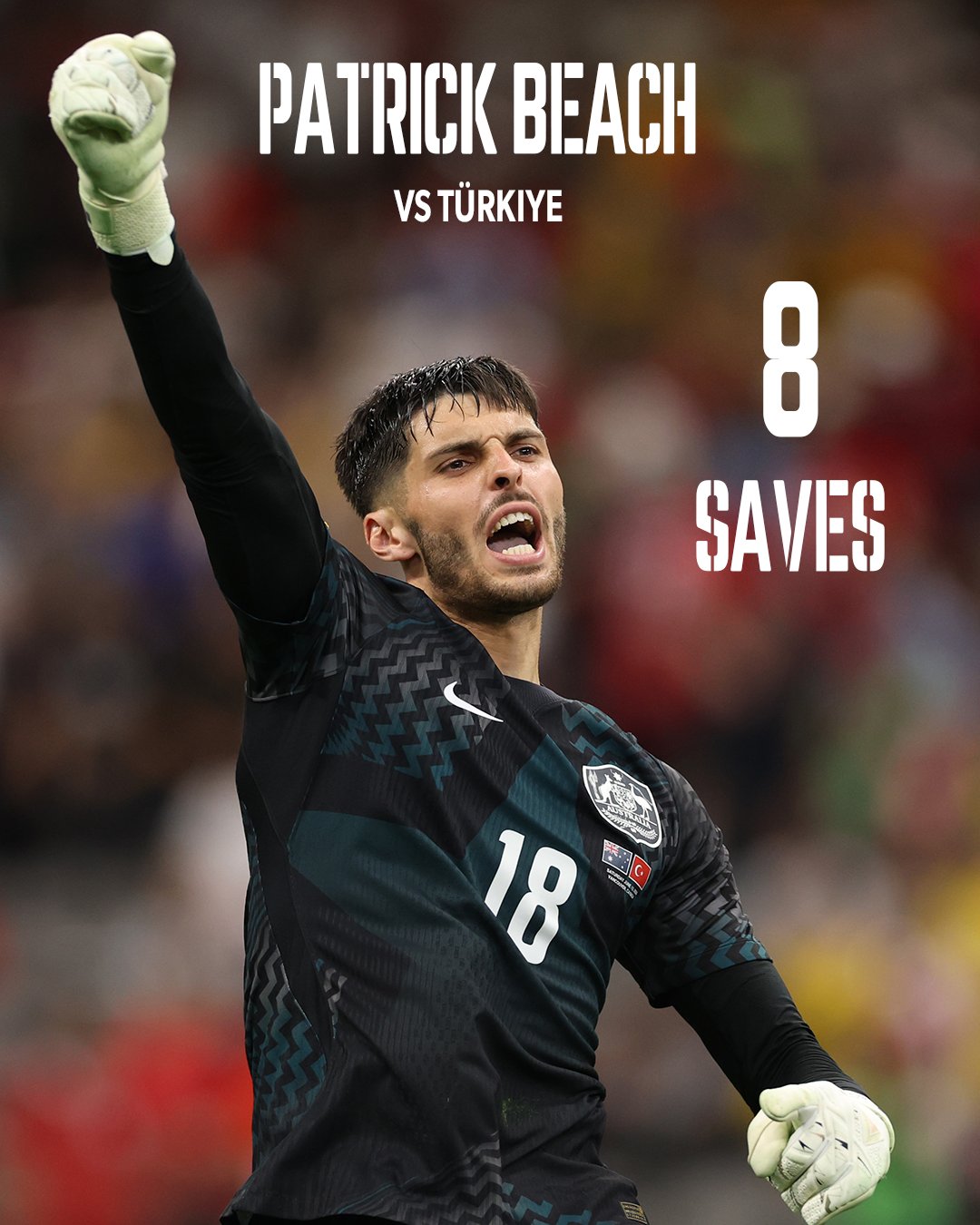
There was Patrick Beach, who began the tournament as a bold call and finished it as a cult hero, a new national security system in gloves and a man who should probably never have to buy his own coffee again anywhere in the country.
Then came the low. A 2-0 defeat to the United States was the sort of result that hurt more because of the opponent, the build-up and the deeply irritating knowledge that the American soccer public would immediately become unbearable about it. Not all of them, obviously. Just enough of them.
Then came the 0-0 draw versus Paraguay. Not beautiful. Not thrilling. Not exactly a match you would show aliens to explain why this sport has conquered the planet. But it did the job. Australia got through. Group stage survived, the Round of 32 had been reached and Egypt awaited.
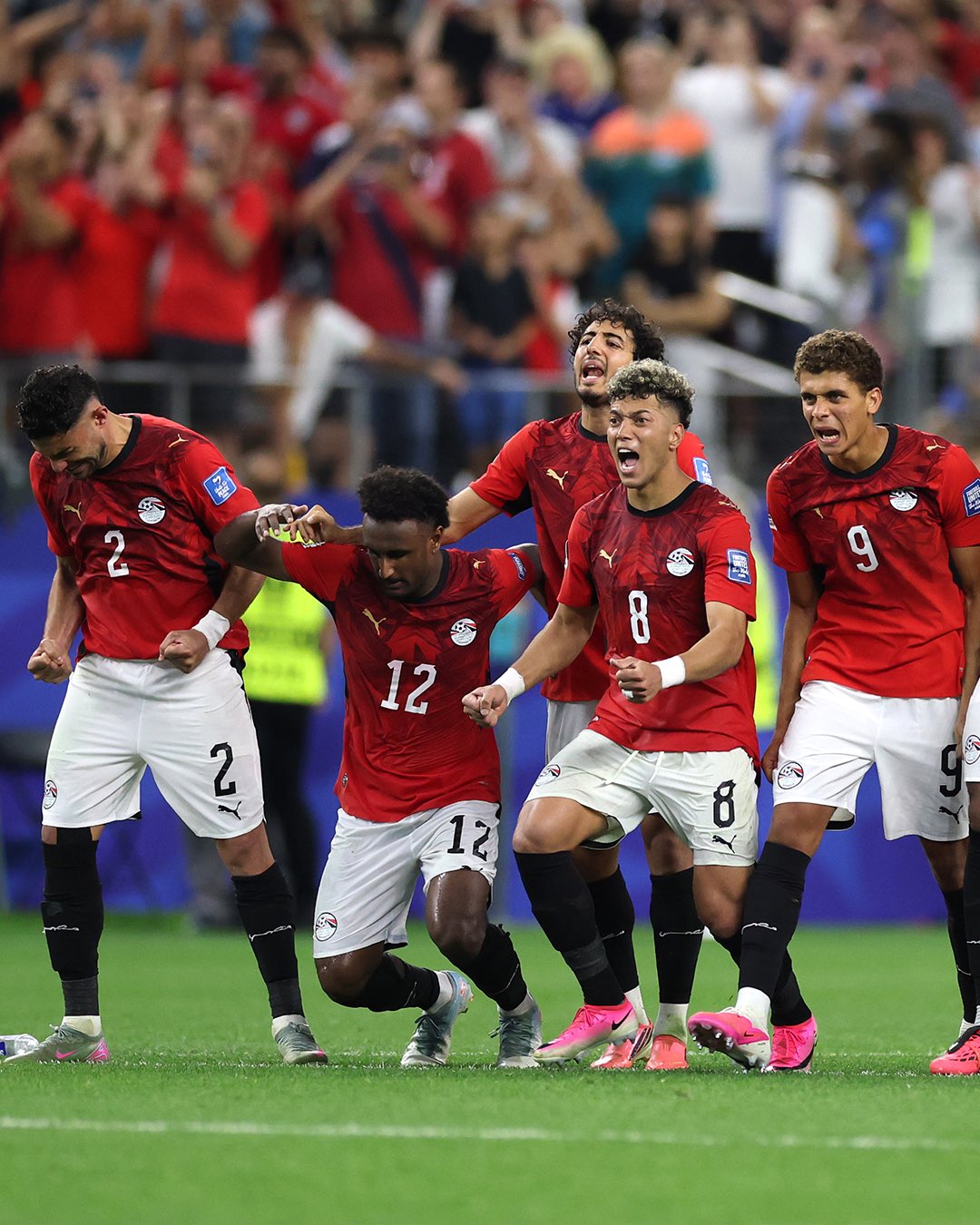
The Socceroos went behind, dragged themselves level through an own goal, fought, scrambled, survived, pushed, suffered and eventually arrived at that horrible little strip of grass 12 yards from goal where dreams go to get mugged.
Penalties are not a football match. They are a public mental health event.Admittedly Egypt handled them better. Australia did not. Salah and co marched on. The Socceroos went home.
That is the brutal bit. The better bit is this: Australia did not go home empty. It went home with something that looks suspiciously like a future.
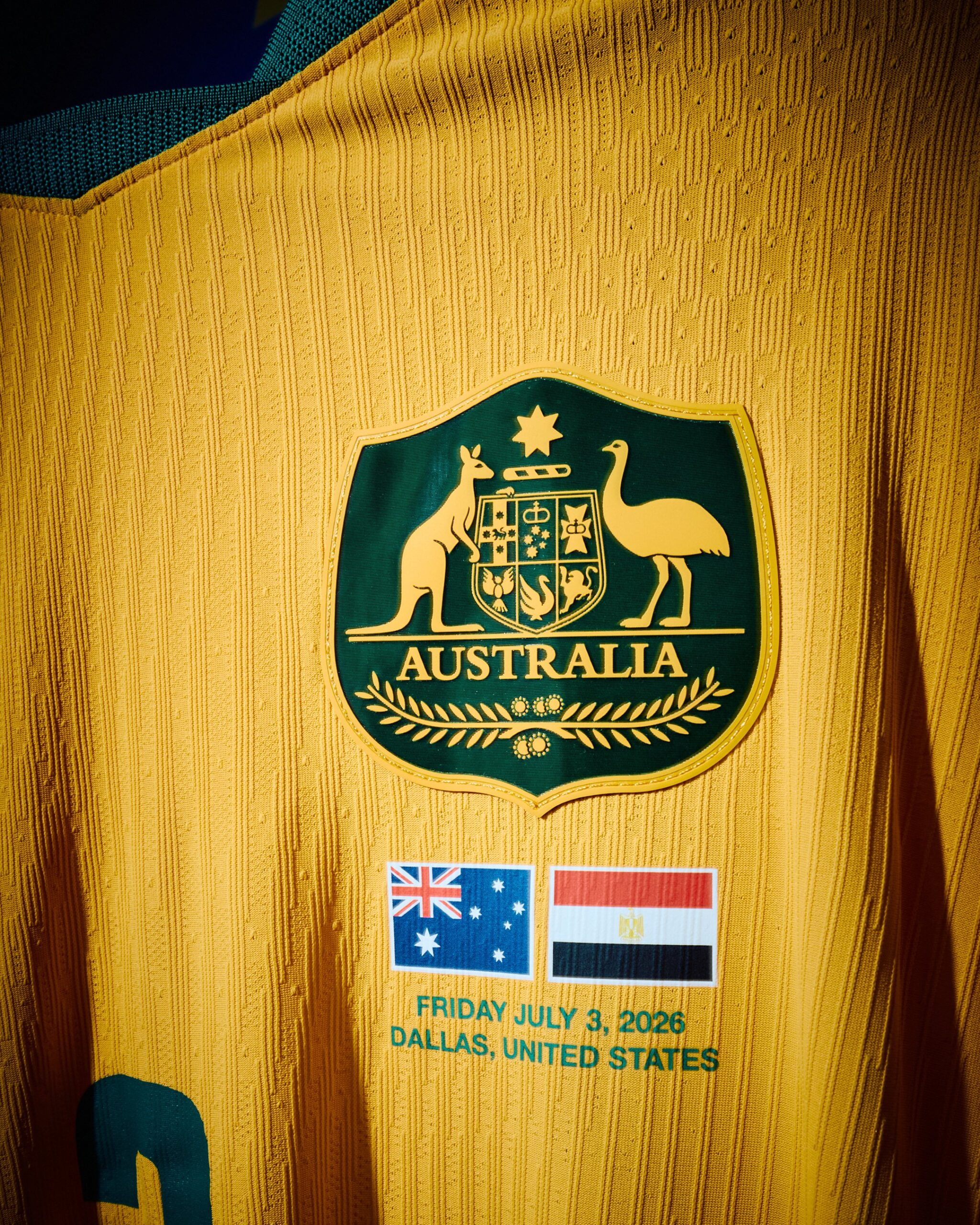
One glance at the squad that wore the green and gold at this World Cup should tell even the most casual fan that this cannot just be filed away as another plucky Australian campaign.
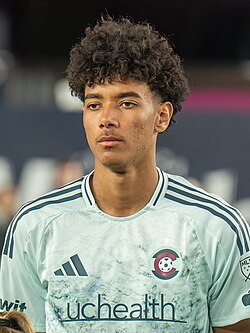
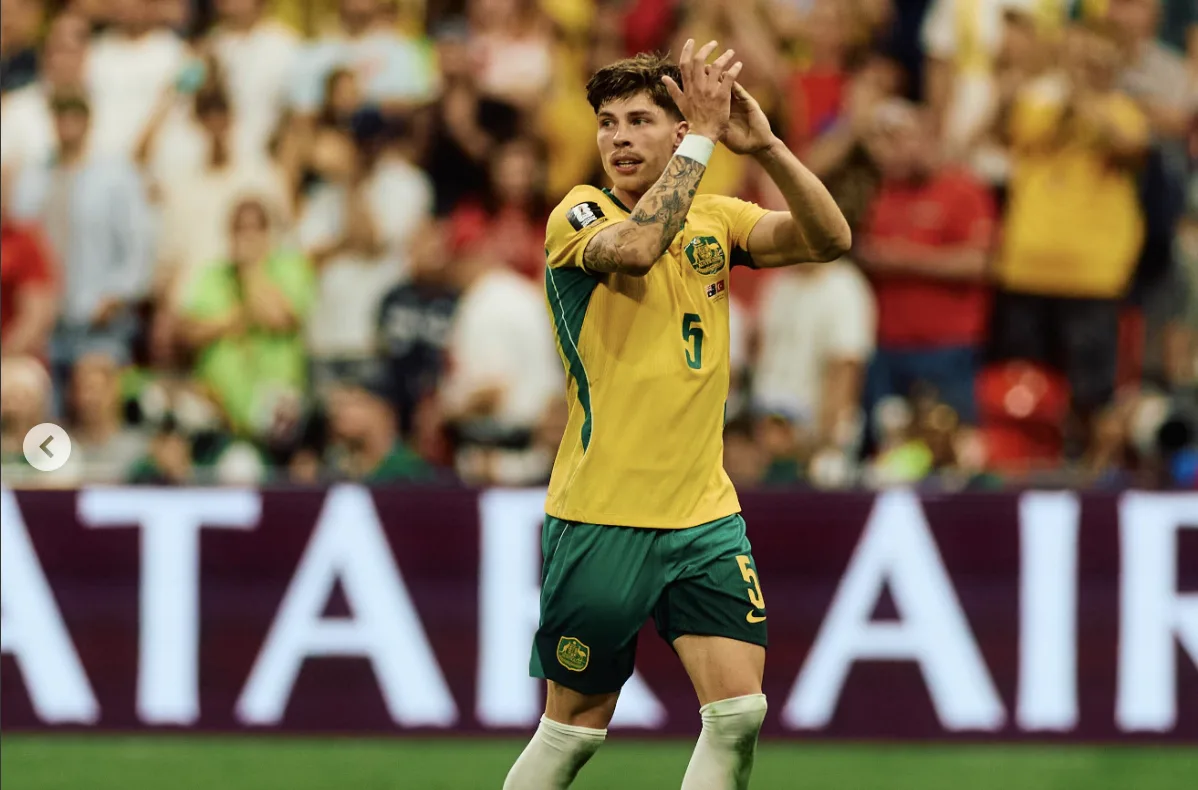
Patrick Beach is 22. Lucas Herrington is just 18. Jordan Bos is 23 and Paul Okon-Engstler is 21. Nestory Irankunda is 20, his cohort up front includes Mohamed Toure who is only 22 and newly minted Socceroos Cristian Volpato is 22.
That is not a football team. That is a preview. Add Alessandro Circati, Harry Souttar, Aiden O’Neill, Connor Metcalfe, Tete Yengi, Nishan Velupillay and the next wave behind them, and suddenly the Socceroos do not look like a side trying to squeeze one last heroic effort out of an ageing group.
They look like a side that might be building towards something. Not fantasy stuff, either. Not “we’re going to win the World Cup because I had three coffees and watched a YouTube compilation” stuff, but genuine, grounded, sensible optimism.
The kind Australian soccer fans are extremely bad at handling because we have been hurt before and this is where the conversation needs to shift.
Because the next step for the Socceroos is not just about Tony Popovic. It is not just about tactics, formations, caps, club minutes, development pathways or whether Irankunda should be allowed to run at full-backs until they file formal complaints.
Don’t get me wrong, all of that matters. But the next step is also about us. Yes, us. The part-time, every-four-year Australian soccer public.
The fans who come alive when the World Cup starts, scream at the television, post “how good are the Socceroos” at 3.52am, discover that they suddenly have strong views on midfield balance, then disappear for the next 46 months like footballing cicadas. This is the bit where the call to arms begins.
Because if we want the Socceroos to become more than Australia’s quadrennial emotional support team, we have to stop treating Australian football like a pop-up restaurant.
You cannot only arrive when FIFA puts on the fairy lights, you can’t only care when the rest of the world is watching.
You cannot demand a football nation every four years and then ignore the domestic league that helps produce the players who wear the shirt.
And that means watching the A-League. Not ironically. Not as a charity case. Not as some grim civic duty performed out of guilt. Actually watching it.

Turning up. Buying a ticket. Taking your kids. Sitting in the stands. Having a pie of questionable structural integrity. Complaining about the referee. Falling in love with a winger who will either become a national hero or move to Belgium before you have learned how to spell his name.
The A-League is not perfect. Everyone knows that. The people who love it know it better than anyone.
It has had governance issues, broadcast issues, financial issues, expansion issues, marketing issues and enough self-inflicted wounds to make you wonder whether the competition occasionally wakes up and chooses chaos as a lifestyle brand.
But it is also ours. And it is far better than the lazy sneering suggests.
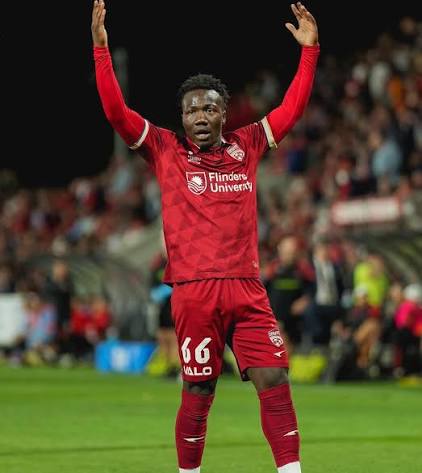
It is where Irankunda first properly scared people. It is where Bos grew. It is where Toure, Yengi, Beach, Behich, Leckie, Okon-Engstler and plenty of others either came through, rebuilt, developed or reminded people they could still play.
It is where the next Socceroo is probably already running around right now, being called raw, frustrating, inconsistent or “one for the future” by people who will claim they always believed in him the moment he scores against Japan.
Australian football has a ridiculous participation base. Kids play it everywhere. Weekend parks are packed. Parents spend half their lives finding shin pads, washing grass stains and pretending they are not furious about an 8am kick-off on their only day off.
But somewhere between junior football and the professional game, too many people drift away. They play the game, but do not watch the league. They love the Socceroos, but do not follow the players who become Socceroos. They turn up for the World Cup, but not for the weekly grind that makes the World Cup possible.
That is the gap. That is the challenge. That is where this World Cup run cannot be wasted.
Because there is a version of Australian football where the Socceroos are not an also-ran in the national sporting landscape.
There is a version where a good World Cup run does not just create a three-week sugar hit, but rolls into packed domestic fixtures, stronger clubs, more broadcast interest, better player development, better facilities, better academies, bigger crowds and a national team that does not have to keep introducing itself to the country every tournament.
There is a version where a kid watches Irankunda score at the World Cup, then asks mum or dad to take them to an A-League game, then falls in love with the sport properly, then drags their mates along, then becomes the kind of adult who does not need a FIFA marketing campaign to remind them the Socceroos exist.
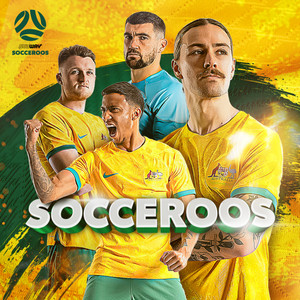
That is how you build something. Not with one magical night at Federation Square. With habits. With culture.
With people showing up when there are no fireworks, no global audience, no national hysteria and no excuse to pretend you have always been across the depth chart.
The Socceroos have done their bit. Not perfectly, obviously. They still went out in the Round of 32. They still have not won a World Cup knockout game. They still went long stretches without creating enough. They still showed the difference between being hard to beat and being genuinely dangerous.
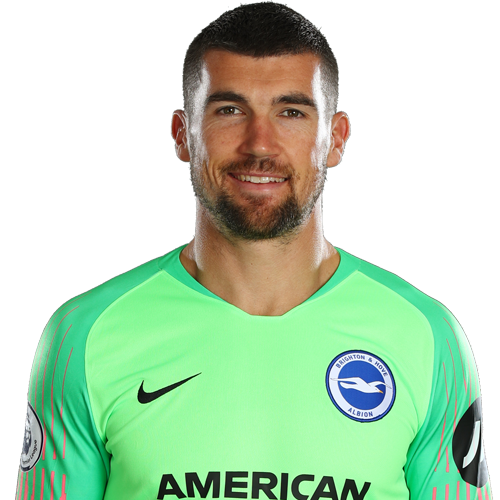
Of course there are proper football questions to ask. Was the set-up too cautious? Did Australia have enough imagination in the final third?
Did Popovic get the balance right? Can the next generation get enough club minutes to turn promise into production?
Can Irankunda, Volpato and Toure become the sort of attacking group Australia has spent years pretending is just around the corner?
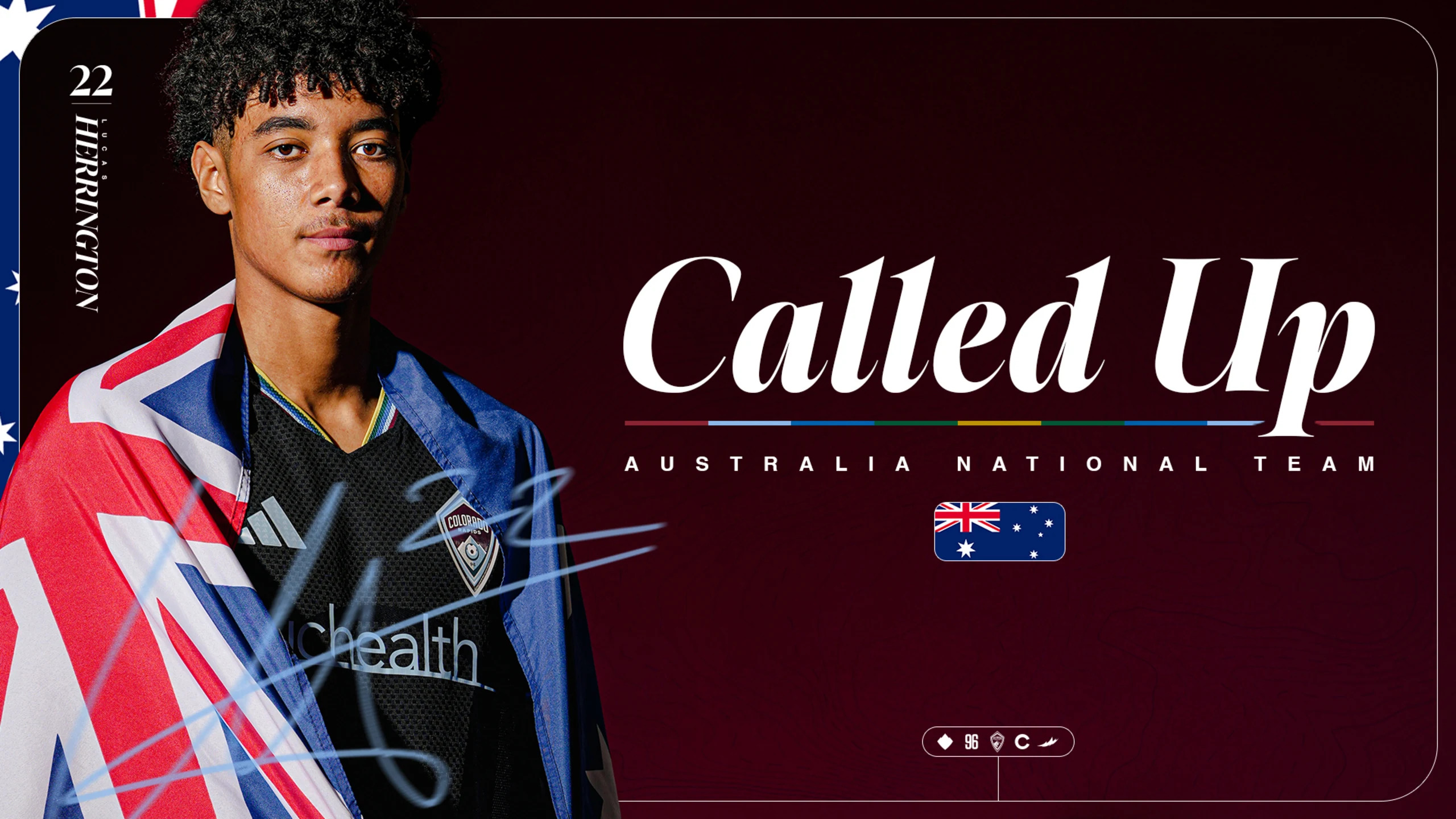
Can Beach stay the No.1? Can Herrington become the real deal and not just the latest young player we put too much hope on because we are emotionally unwell?
All fair questions, but the bigger answer is not sitting in a tactics board. It is sitting in the stands.
Australia does not lack football people. It lacks football commitment at the professional domestic level.
We have the players. We have kids. We have migrant history. We have suburban clubs. We have the passion. We have a big-event appetite. We have proof, every World Cup, that this team can make the country care.
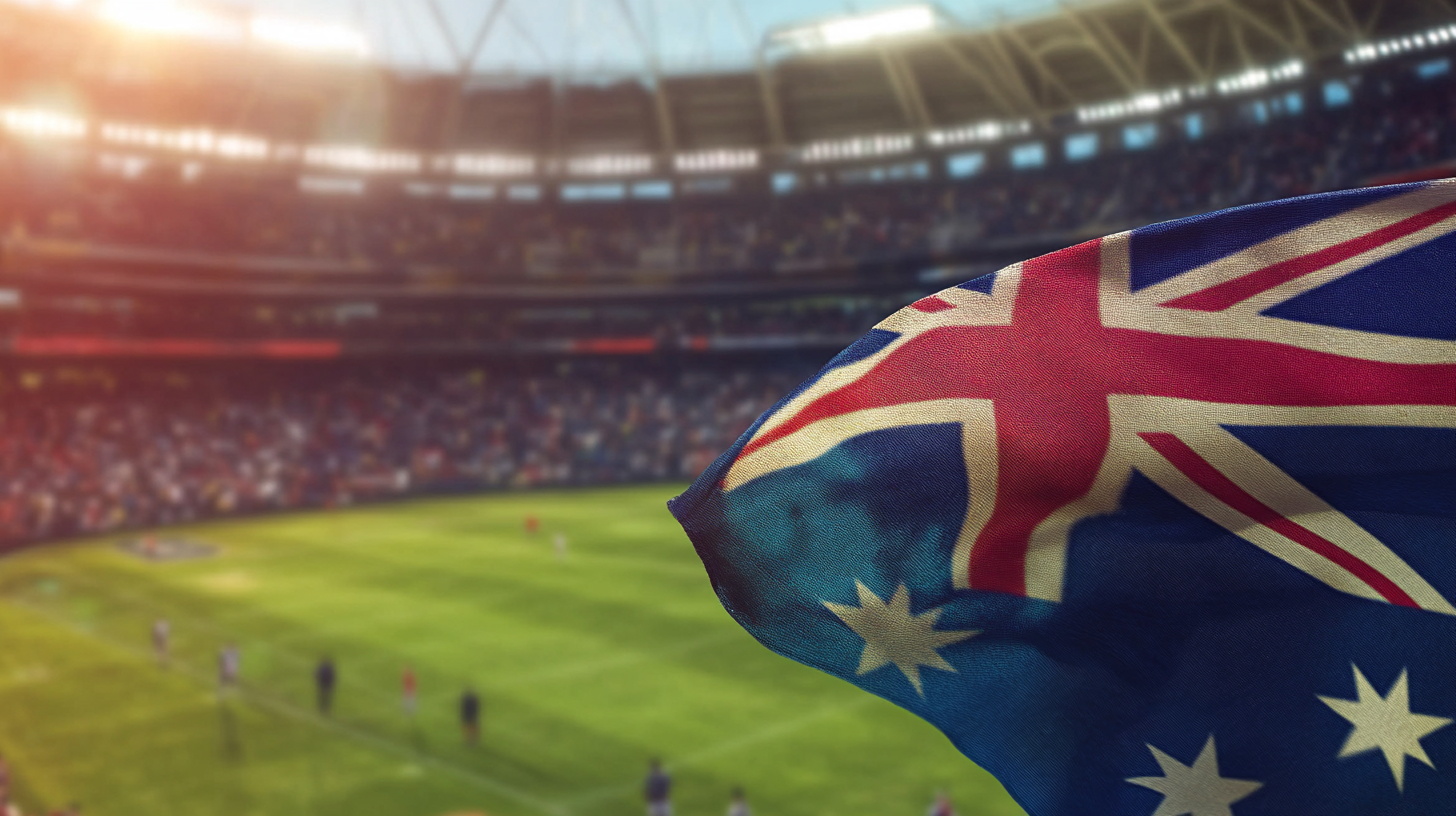
The problem is making the country care when the World Cup ends.
So here is the pitch.
If you watched this Socceroos run and felt something, do not let it disappear.
Pick an A-League club. Go to a game. Watch the Socceroos friendlies. Pay attention to the Asian Cup.
Learn the names before they are on a World Cup graphic. Follow the players when they go overseas. Support the local club down the road.
Stop treating Australian football like a rental car you only use on holiday.
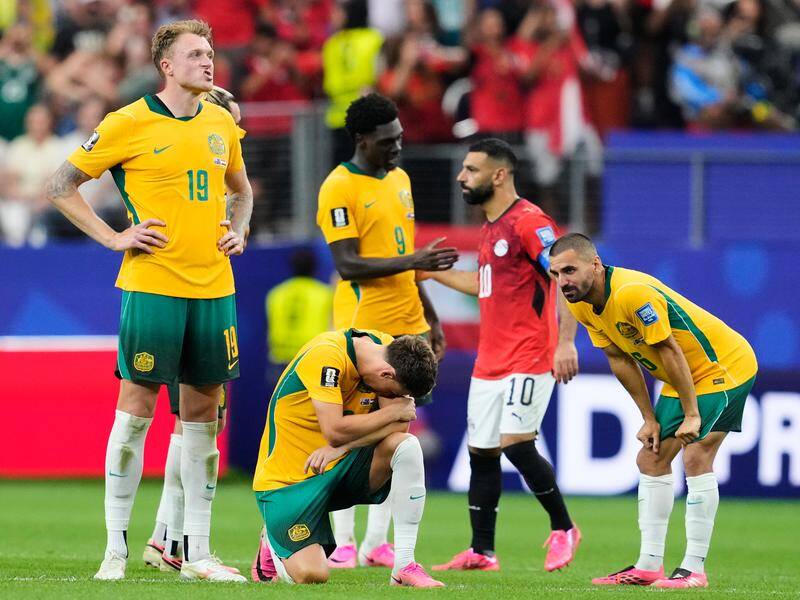
Because this team, this stupid, stubborn, nerve-shredding, wonderful team, has given us a glimpse again.
Not of a finished product. Not of a world-beating giant. But what might be possible if the country stops wandering in at the last minute asking, “are we good now?”
The Socceroos are not there yet.They are still chasing the first World Cup knockout win. They are still chasing proper attacking ruthlessness. They are still chasing the kind of national sporting status that AFL, NRL and cricket take for granted.
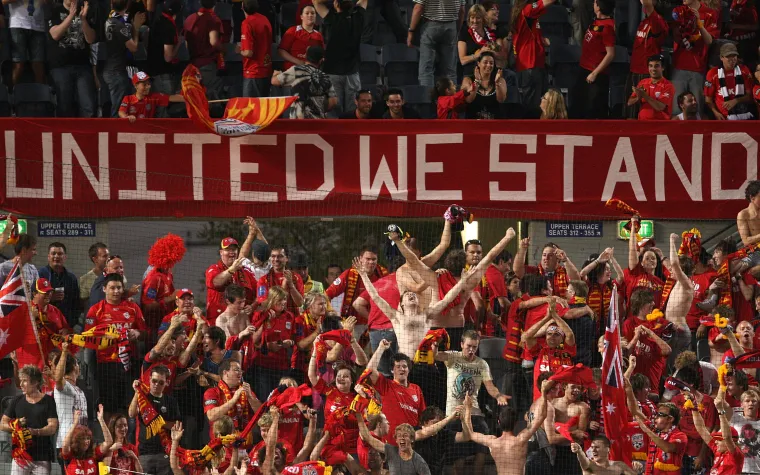
But they are closer than the cynics want to admit. And the best part is they are young enough to make you do something dangerous.
Believe.
The 2026 World Cup is over for Australia. The opportunity should not be.This cannot be another sugar hit. It cannot be another three-week national fever dream followed by four years of shrugging at the A-League and pretending the sport will somehow build itself.
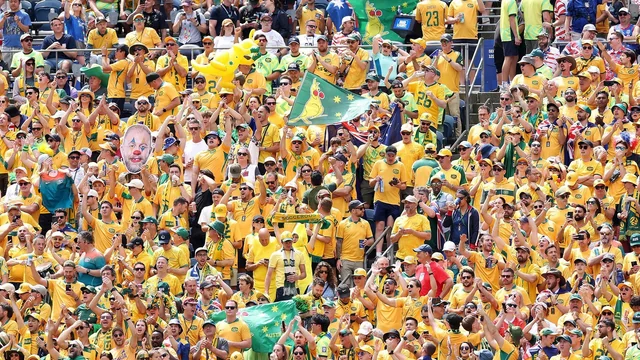
The Socceroos have given the country a reason to care. Now the country has to prove it can care when nobody is watching.
See you at the A-League.
Bring a scarf, a mate and a healthy mistrust of penalties.