
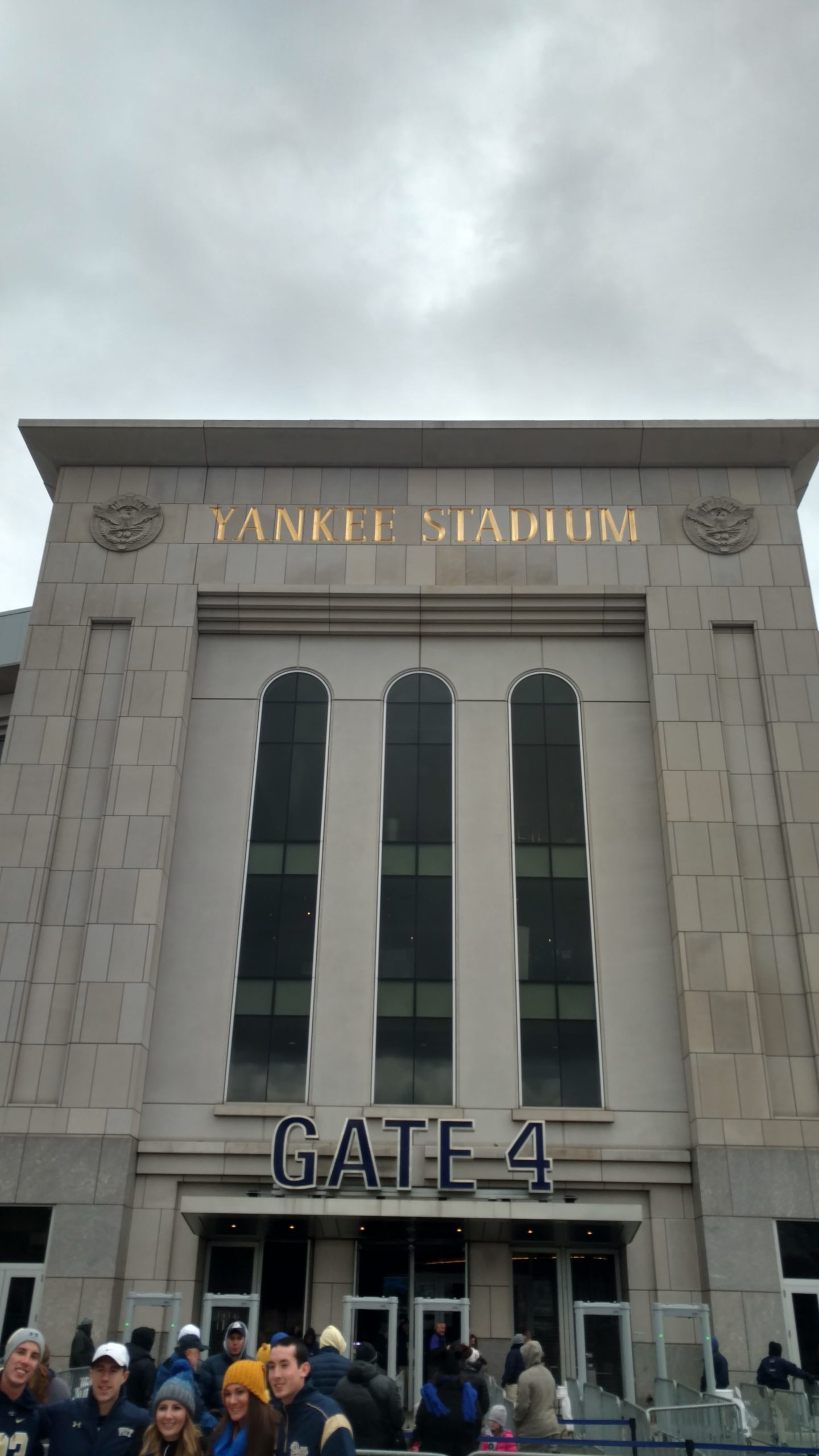
Constructing stadiums has evolved into an enterprise valued in the millions of dollars that tests the capabilities of technology, architecture, and fan experience. To maximize the event day revenue, strategic objectives like more capacity, greater premium hospitality areas, and the latest media and digital technology increase costs.
The costs of constructing infrastructure, including access routes, utilities, and transportation, can significantly increase. Budgets are also positively affected by sustainability obligations such as smart systems, green roofs, and energy-efficient materials.
Stadiums today have evolved from simple sports venues into comprehensive mixed-use entertainment centers that blend retail, public space, and corporate events into a single project. In short, in modern venue design, capacity has been replaced with multifunctionality, creativity, and long-term value.
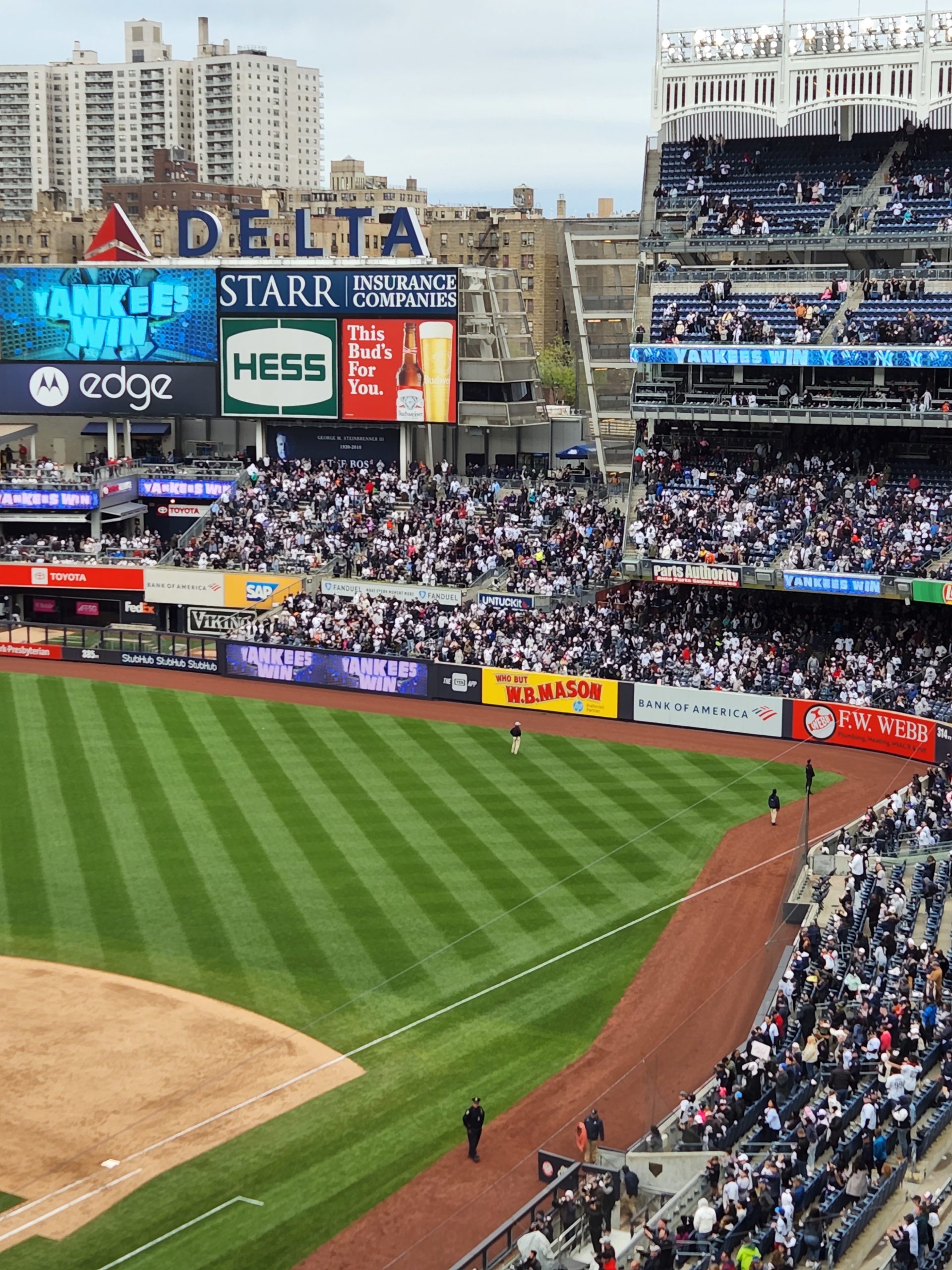
Yankee Stadium (Bronx, New York, USA) – $2.3 Billion
Yankee Stadium in the Bronx, at $2.3 billion when it opened in 2009, is the most expensive baseball stadium built. Based on inflation, that’s more like $3.4 billion.
Some of the most expensive MLB stadiums include Globe Life Field in Arlington, Texas, which opened in 2020, for an estimated cost of $1.2 billion, and Citi Field in Queens, New York, which cost $900 million at opening.
These reflect rapidly rising construction budgets associated with upgraded amenities, construction design, and technology integration.
Mercedes-Benz Stadium (Atlanta, USA) – $1.6 billion
This venue opened in 2017 with a retractable “pinwheel” roof and innovative architectural design. It hosts large events in football and soccer, including part of the 2026 FIFA World Cup.
AT&T (Arlington, Texas, USA) – $1.58 billion
The home of the Dallas Cowboys, this venue features notable entry arches and a large video board. A mix of private investors, local taxes, and NFL loans accomplished funding for the project.

Singapore National (Singapore) – $1.44 billion
Opened in 2014 and home to many sporting and entertainment events, this multi-purpose venue features a retractable roof, and spectator seating can be arranged to accommodate different sporting and entertainment events.
SoFi (Inglewood, California, USA) – $5 billion
As the most expensive (over $5 billion) stadium ever constructed, SoFi Stadium has a stunning roof, double-sided LED screens over 70,000 sq ft, and mixed-use, including parks, retail, and performance areas, among its many facilities.
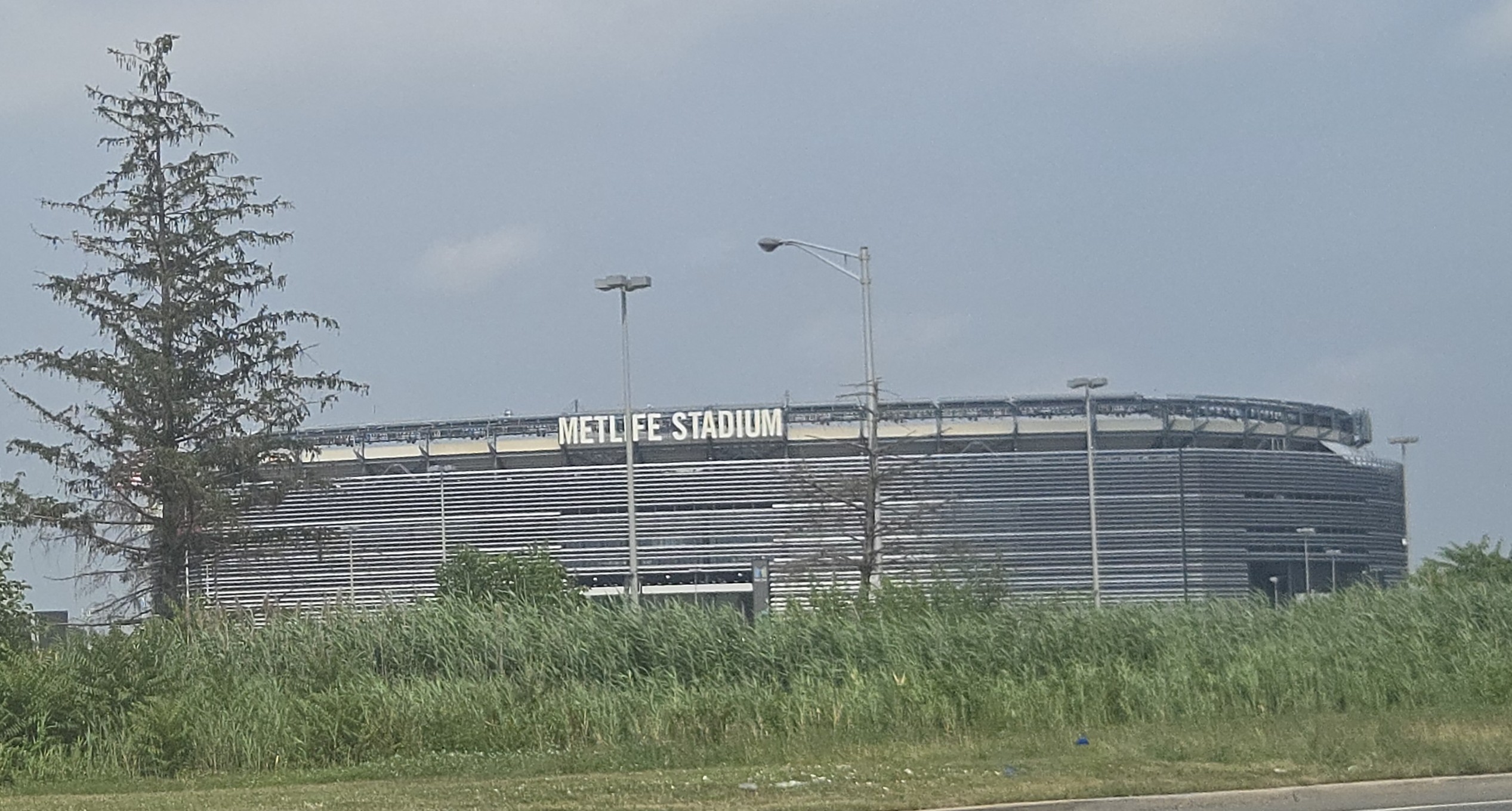
MetLife Stadium (East Rutherford, New Jersey, USA) – $1.6 billion
MetLife Stadium opened in 2010 as the most expensive stadium in the U.S. at the time. MetLife would serve as the home to both the Giants and the Jets, with multiple large video screens integrated into the experience.
Wembley (London, UK) – $1.88 billion
Wembley Stadium was rebuilt and opened in 2007. It’s famous for its arch and retractable roof. It hosts major English soccer (football) events and tournaments, including the Premier League, and remains Britain’s most iconic modern venue.
Allegiant (Las Vegas, USA) – $1.9 billion
Opened before the 2020 NFL season, Allegiant Stadium is the new Raiders venue. It features more seats, more suites, more seating choices (i.e., “vertical builds”), and an interactive digital display, raising the level of fan experience.
Emerging Project: New Commanders Stadium (Washington, D.C., USA) – $3.7 billion (planned)
Set to open by 2030 on the historic RFK site, this indoor multi-purpose venue will cost $2.7 billion for the stadium and $1 billion for surrounding infrastructure. The project aims to drive urban revitalization and community growth.

New venues have evolved beyond traditional sports facilities to become dynamic, immersive entertainment centers and major destinations in the urban landscape. These new complexes are designed for year-round use and include retail, dining, and culture to create vibrancy, even when not actively hosting an event. They also anchor a mixed-use area that provides active entertainment, hospitality, and community character, making each day a little more fun.
These projects are traditionally funded through public and private funding, whereby a developer collaborates on some investment commitment with municipal partners to share both investment and risk. The outcome is a modern architectural example of adaptive programming, attractive visual facade development, and intelligent infrastructure elements, all geared to enhance the fan experience.
This is the result of both teams and cities wanting to redefine the concept of a stadium into a landmark experience that supports economic activity, civic pride, and social engagement.