
Wrestling gets dismissed constantly. “It’s fake” — and that’s usually where the conversation dies. But fake is the wrong word, and people who use it are missing the point entirely. A novel isn’t fake. A film isn’t fake. What WWE does is tell stories using human bodies as the medium, and when the writing is good and the performer is right for the moment, it hits harder than most things on television. The platformdb bet covers entertainment and sport at the highest level globally — and few franchises in either world have held audience attention across four decades the way WWE has, through ownership changes, format shifts, and about fifteen different cultural moments that were each supposed to kill it.
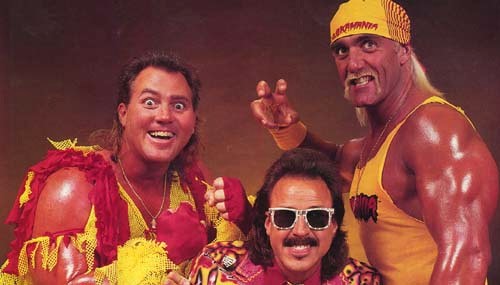
It starts with Hogan. That’s not a controversial opinion, it’s just geography — you can’t talk about where WWE ended up without starting at the point where the whole national expansion began. And Hogan was that point. Not because he was technically gifted, because he wasn’t — Bret Hart was in another category entirely, Ricky Steamboat made everything look real, a dozen guys on the roster in 1985 could outwork Hogan on any given night. None of it mattered. Hogan had something those guys couldn’t manufacture no matter how sharp their in-ring psychology was. The crowd believed him. Specifically, they believed he was going to win, and they wanted him to, and watching him do it felt good in a way that’s genuinely hard to explain if you weren’t there for it.
Vince McMahon Jr. took over from his father and immediately started doing things that made the existing territorial system very uncomfortable — poaching talent, running shows in markets that belonged to other promoters by gentlemen’s agreement, building toward something national when the entire business model was built around staying local. Hogan was the bet he placed on all of that working. WrestleMania in 1985 was the proof. The card wasn’t deep. It didn’t need to be. Hogan was on it, and that was the whole argument.
The Eras, and Why Bothering to Name Them Makes Sense
The era labels get used constantly in wrestling conversation and occasionally feel like they’re obscuring more than they’re clarifying. But they’re real. The product actually changed between them — not just cosmetically but in terms of what it was asking the audience to feel:
|
Era |
Approximate Period |
Defining Superstar(s) |
|
Golden Era |
1984–1993 |
Hulk Hogan, Randy Savage |
|
New Generation Era |
1993–1997 |
Bret Hart, Shawn Michaels |
|
Attitude Era |
1997–2002 |
Stone Cold Steve Austin, The Rock |
|
Ruthless Aggression Era |
2002–2008 |
John Cena, Batista, Edge |
|
PG / Reality Era |
2008–2016 |
CM Punk, Daniel Bryan, John Cena |
|
Current Era |
2016–Present |
Roman Reigns, Cody Rhodes, Seth Rollins |
The Attitude Era carries the heaviest nostalgic weight, and probably always will. It was chaotic and loud and arrived at the exact moment the internet was new enough that fans were starting to compare notes with each other in ways that hadn’t been possible before. Stone Cold Steve Austin pouring beer on his boss was countercultural for about two years — then it became the mainstream, which is what the company wanted, and also what eventually made the whole thing feel worn out. That’s usually how it goes.
John Cena and the Strange Cost of Being Dependable
By the mid-2000s WWE needed someone stable. PG content, broader commercial partnerships, sponsors who didn’t want to explain edgy segments to their marketing directors. Cena fit that brief better than anyone else available at the time.
The numbers are genuinely hard to argue with. Sixteen world championships. A Make-A-Wish commitment that eclipsed anything any athlete in any sport had attempted. A film career that actually lasted, which matters more than it sounds — the list of wrestlers who tried Hollywood and quietly disappeared is longer than most people realize.
The arenas, though. Adult male fans — the ones who’d come up watching the Attitude Era and had strong opinions about creative decisions — booed Cena for years. Consistently. Loudly. What they were reacting to wasn’t really Cena himself. It was the booking logic that surrounded him. The sense that no matter how the story was structured, the ending was already written and it always ended the same way. The drama felt pre-resolved.
In hindsight, those years of split crowd reaction might have been exactly what the character needed to stay interesting. A figure that provokes that much feeling — positive and negative simultaneously, in the same building — is a figure people are genuinely invested in. Indifference would have been much worse.
CM Punk and the Night the Script Stopped Feeling Like a Script
Chicago, June 27, 2011. Punk sat at ringside with a microphone and started talking. What came out didn’t sound like a wrestling promo. He used Vince McMahon’s name directly and not kindly. He acknowledged competing promotions. He referenced contract situations that weren’t supposed to be public. He looked actually angry, not performed angry.
Whether the whole thing was pre-approved or whether some of it slipped through genuinely hasn’t been settled to anyone’s satisfaction, and the ongoing argument is part of what keeps the moment alive. What’s clear is that the people watching couldn’t tell — and that uncertainty produced a kind of tension that scripted entertainment almost never manages to create.
The 434-day championship reign afterward gave the momentum somewhere useful to go. The character itself — straight-edge, openly contemptuous of corporate wrestling culture, visually referencing independent promotions — felt specific in a way that Cena’s character was deliberately not. Punk wasn’t calibrated for universal appeal. That selectivity is a significant part of why he meant so much to the people who connected with him.
The 2014 departure. The years away. The AEW period. The 2023 return. Each stage added weight to the mythology rather than wearing it down. That’s not how these things typically go.
A Film, a Nomination, and What Both Suggested About Wrestling’s Place in Culture
The Wrestler came out in 2008 and didn’t involve any WWE performers, but it was so deeply embedded in actual independent wrestling culture — real events, real physical language, real aesthetics — that the industry recognized itself immediately. Mickey Rourke’s performance drove most of the external conversation. Marisa Tomei’s supporting role earned an Academy Award nomination. That was a meaningful signal. It meant that a story rooted in professional wrestling could be taken seriously by people who determine what serious dramatic work looks like. The film didn’t treat its subject as inherently absurd. For wrestling, that was still fairly novel treatment from mainstream cinema.
Cody Rhodes and What Gets Passed Down
Dusty Rhodes built something that’s difficult to fully explain to someone who didn’t see it. The “American Dream” character — plumber’s son, working-class champion, the guy in the polka dots that WWE used to humiliate him and that he somehow turned into something people loved anyway — connected with audiences in a way that went past athletic admiration. People felt like Dusty was actually one of them.
Being that man’s son, inside the same industry, creates a specific kind of weight. For a significant stretch of his career, Cody seemed to be building his identity partly in opposition to that legacy rather than from within it. The co-founding of AEW, the rebranding, the years spent constructing something outside the WWE structure — all of that was also a process of working out what the Rhodes name actually meant.
The pectoral tear at Hell in a Cell in 2022 — mid-match, visibly severe — and the subsequent comeback, and the eventual WrestleMania XL title win against Roman Reigns: by the time that moment arrived, the audience had lived through enough of the story to feel its actual weight. “Finish the Story” wasn’t marketing language that landed well. For people who’d been tracking the arc since 2022, it described something that felt genuinely unresolved and needed an answer.
That level of investment doesn’t come from clever sloganeering. It comes from two years of storytelling that was patient enough to let the feeling accumulate.
Championship Numbers, Side by Side
|
Superstar |
World Title Reigns |
Longest Reign |
WrestleMania Main Events |
|
Hulk Hogan |
6 |
~1,474 days (combined) |
4 |
|
John Cena |
16 |
380 days |
8+ |
|
CM Punk |
2 (WWE only) |
434 days |
1 |
|
Cody Rhodes |
1 (as of 2024) |
Ongoing |
2 |
The Argument Underneath Everything
Hogan built the audience when there wasn’t one yet. Cena kept it large and commercially stable through a decade of content restrictions. Punk told it something that sounded like the truth, or close enough that the distinction stopped mattering. Rhodes gave it a properly constructed hero story after years of watching antiheroes and cynical booking exhaust themselves.
Each of them was partly defined by what they rejected from whoever came before. That rejection — the refusal to simply repeat what worked — is probably the actual mechanism by which wrestling mythology stays alive across generations. The legacy connecting all of these figures isn’t a tidy line. It’s an ongoing argument, conducted in arenas, across forty years, with no resolution that anyone’s fully agreed on yet.