
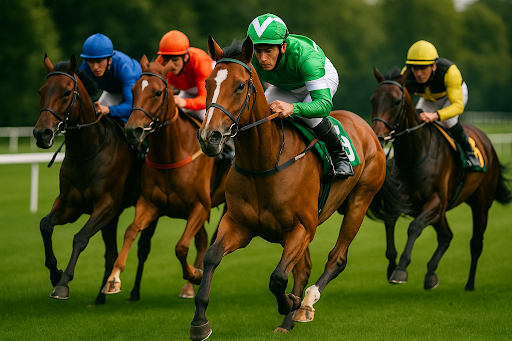
Track bias has divided punters for decades. Some believe it changes the outcome of every race. Others think it is overstated or even outdated. The question still remains: is track bias a consistent edge or just a distraction from more reliable factors?
Track bias refers to how some parts of the racing surface favour certain horses. For example, the inside lane may help front runners, or wide draws may perform better in wet conditions. Fans of racing stats track these trends closely, especially through updates and form tools available on the 1xbet bissau site, where markets shift with racing conditions in real time.
This article looks at what modern data shows. Does bias still matter in 2025, or has improved turf management made most of it irrelevant?
Surface changes and ground staff tactics
Track conditions evolve throughout a meeting. Grounds teams water, roll, and maintain turf between races. On dirt tracks, weather and moisture create patterns that favour specific paths. Turf surfaces respond differently to wear. Some lanes stay firm longer. Others cut deeper with repeated use.
Early races often show where the surface performs best. Punters watch the first few results to judge whether one section gives horses more speed or traction. On high-rotation tracks, trends emerge across two or three race days.
Smart bettors log these changes. Bias is more common after heavy rain or in wind-affected races. They compare post positions and final times, especially in sprints. Consistent inside or outside wins raise questions. That is where a surface map adds value.
Some tools now show bias heatmaps. These visuals mark where the winners ran, where they broke from, and when they moved into position. Many experienced users store this data or use race replay platforms to track bias over time.
Trainers and jockeys adapt during the day
Horsemen know how bias plays out. Trainers may adjust running plans, changing a horse’s position from early pace to hold-up runner. Jockeys follow live feedback, noting which lanes produce stronger acceleration. These decisions affect outcomes more than most realise.
Bias is not only about the lane. It is about how pace and position meet on a given surface. In five-furlong races, an inside lane bias matters more. Over ten furlongs, position at the bend may play a bigger role.
This is where advice from form guides or tipsters changes. Some follow strong stable-jockey pairings when conditions suit. Others search for value in wide-draw runners during crosswind races.
Punters using platforms with real-time data may log in, check changes, and act fast. The option to download the official 1xBet application on your phone makes this easier. Mobile alerts, betslip recall, and weather integration all play a part.
When bias flips the market
Some punters enter races purely for bias trades. They bet early, then adjust after visual cues from early races. Bookmakers react slower on midweek cards. That gap creates room for profit.
Track bias can reverse the narrative. A 10/1 runner may become popular if earlier races show lane support. A 3/1 favourite may drift if stuck in a dead lane all day. These shifts affect exotics and place markets, too.
Inside draw advantage is most visible in shorter races. On tight-turning tracks, horses that grab the rail save distance and hold position. Some races finish before a wide-draw runner can find cover or shift into stride.
Knowing which races to trust and which biases to avoid becomes a skill. Punters learn to separate low-class sprints with clear bias from longer handicaps where race shape dominates. Over time, this forms part of the betting routine.
Digital strategy and system betting
Bias tracking fits into digital betting tools. Users map results, code filters, and assign points to post positions. When patterns hold across tracks, these tools alert punters.
Daily race notes or auto-generated draw stats may guide choices. Users compare those with form cycles, pace ratings, and trainer patterns. Track bias is not a standalone system. It adds context.
Advanced bettors often cross-check past results with live feeds. Some rely on live commentaries. Others create spreadsheets of running styles and draw scores. These tools make it easier to analyse how likely a bias is to repeat.
Some platforms help track daily trends. A tool like 1xbet login gives punters access to odds shifts, visual movement, and live streaming. This allows a quick review of whether bias shows up on the day or not.
Teaching new bettors how bias works
Track bias is not always easy to explain. Nevertheless, more tipsters and mentors now teach these patterns through subscription groups. These groups help beginners spot useful bias trends and avoid false signals. They often include pace maps, draw heatmaps, and replay lists.
Many new users seek guidance from betting tutors. The rise in coaching services emerging in racing has helped shift focus from luck-based picks to structure-based models. Tutors focus on bias detection, pace profiling, and market timing.
Live betting classrooms, webinars, or premium forums often update bias notes throughout the day. Users compare what they see with shared race notes. The goal is to back better picks, not just random hunches.
Learning bias requires patience. Some days offer no edge. Other times, the edge appears and disappears in two races. Understanding the why and when helps punters stay consistent.
When bias matters and when it does not
Track bias is not universal. Some meetings show it clearly. Others remain balanced from the first race to the last. High-profile tracks invest in surface tech. That limits long-term bias but does not remove it completely.
Fast-track punters look for low-grade cards, regional meets, and turf-only events where staff budgets vary. These cards show bias more often. Casual punters miss this detail. Experienced ones plan around it.
Over time, bias adds value for specific bets:
- Early-position horses in short sprints
- Draw-based systems in rail-favoured layouts
- Lane-watch alerts during turf wear or heatwave cards
- Fast inside lanes after overnight watering
- Bias fades during high-stakes races with a strong field spread
Track bias is not fiction. It just requires better tools, clearer thinking, and timing. It is a detail, not the whole answer. However, for punters who watch closely, it is one more signal that turns research into returns.