
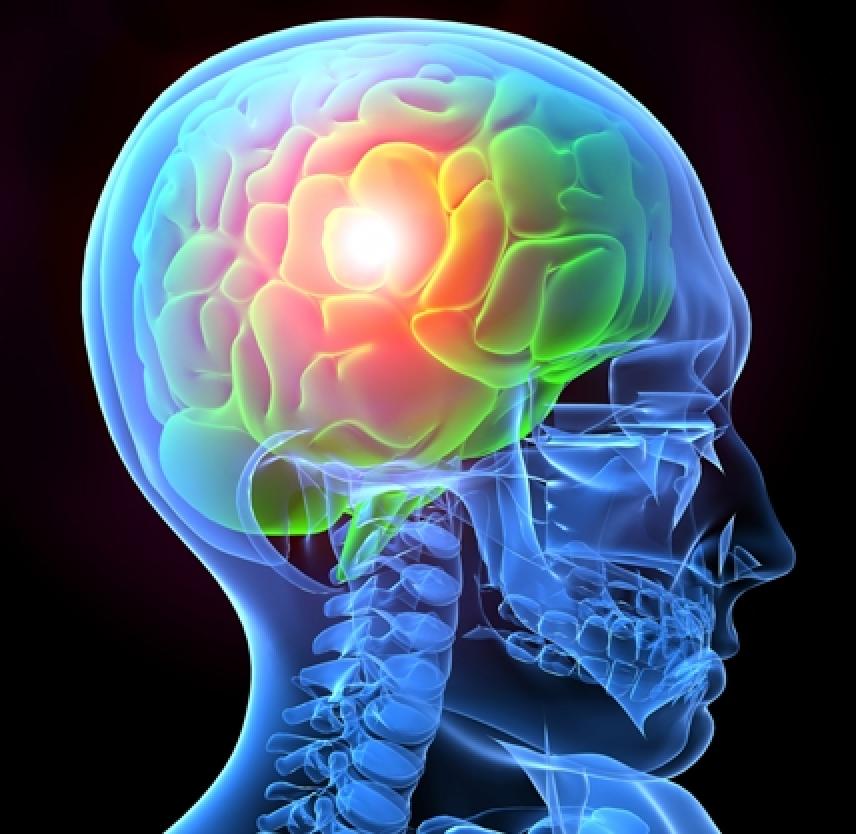
A TBI – traumatic brain injury is the result of a blow or hard jolt to one’s head that ultimately disrupts how a healthy brain functions. Medically speaking, a TBI is a brain injury that is nondegenerative and can be focused in one area, or diffused, as in Shaken Baby Syndrome.
TBIs often have wide-ranging effects that are felt both psychologically and physically. The reality is a child’s symptoms may appear right after the trauma, but other symptoms will not appear for many days or even weeks after the traumatic event. According to a study published in the Journal of Medicine and Life, it concluded that children under the age of three present with an entirely different pathology than their adult counterparts.
Fortunately, not every blow to the head of a child will result in a TBI. The severity of a TBI is measured on a continuum. It is measured based on –
- The type of injury
- The length of time one is unconscious.
- The post-trauma amnesia.
- The seriousness of the confusion when a child is first evaluated.
Overall, children’s TBIs are considered more of a chronic medical issue (instead of a one-time event as it would be for most adults), because a small child’s brain has become injured before the child’s brain has had a chance to fully develop. As such, a child’s symptoms from a Traumatic Brain Injury may change over time.
- A Mild Traumatic Brain Injury – A mild Traumatic Brain Injury with only a brief or temporary change in consciousness or mental status. Most TBIs that occur every year are considered mild and often known as a concussion. Concussions have become a hot-topic in the recent past due to the current focus on sports-related concussions and TBIs.
- A Moderate Traumatic Brain Injury.
- A Mild Severe Brain Injury – A severe Traumatic Brain Injury generally occurs with an extended period of memory loss or consciousness. These more severe TBIs can result in serious damage to the brain and can lead to long-term health impacts and, sometimes, death.
Symptoms of Children with Traumatic Brain Injuries (TBIs)
The challenging part about treating children with TBIs is that they may not be able to communicate (fully or at all, depending on their age) as to symptoms they are experiencing. Because a child’s brain is not fully developed, it may be easier to observe the more common symptoms exhibited by children with a TBI. Consider the following potential symptoms –
- A noticeable change in nursing routine or eating habits.?
- A usual happy child becomes irritable, without the ability to be consoled.
- The inability to concentrate or a modification in the child’s sleeping habits.
- The development of seizures, or a lingering sadness or depression.
- Lingering fatigue and drowsiness.
- Lack of interest in the things that use to bring joy and happiness.
It is essential to diagnosis a child with a Traumatic Brain Injury as quickly as possible because the path to recovery for children with a TBI is challenging to predict.
3 Ways Children are at Risk for Traumatic Brain Injuries
Shaken Baby Syndrome
Shaken Baby Syndrome is preventable and considered child abuse. Shaken Baby Syndrome is regarded as a serious brain injury that results from an infant or toddler being forcefully shaken in a whiplash manner. This brain injury kills brain cells and thus prevents the baby’s brain from getting sufficient oxygen. Risk factors include caregivers with –
- Unrealistic expectations.
- Domestic Violence or substance abuse.
- Young parenthood.
- Stress, anxiety and depression, and anxiety, to name a few.
Falls and Accidents
According to a CDC report, falls are the leading cause of Traumatic Brain Injuries in children. The severity of incidence differs between infants and toddlers, but both remain at risk for TBIs.
Sports Injuries
Most sports injuries are not fatal. However, it is important to highlight that in the sports world, the leading cause of death from injuries sustained that are sports-related are Traumatic Brain Injuries.?
According to the CDC, the two groups of the population that are at most at risk for a Traumatic Brain Injury are children aged 0 – 4, and teenagers between the ages of 15 and 19. The BIAA – the Brain Injury Association of America notes that more than 425,000 infants, toddlers, and children are seen in emergency rooms across the United States each year.?
It is possible for a serious TBI caused by negligence to result in a lawsuit. Still, the circumstances surrounding the TBI incident must be discussed with a knowledgeable and trusted attorney.