
In elite sports, raw power isn’t the full story anymore. The real difference now comes from how athletes move. The way their muscles fire. How smoothly their body transfers force. Every little detail counts.
That’s why “smart movement” has become the new obsession. It’s less about doing more reps and more about teaching the body how to move better. It’s science-driven, but also deeply practical. It’s how athletes learn to stay fast, strong, and injury-free for longer.
From Strength to Stability
Most training programs used to chase one goal: strength. Add more plates, push harder, lift heavier. But the best athletes in the world today train differently. They focus on stability first.
Muscles don’t work in isolation. They work in teams, stabilisers, movers, and everything in between. Precision training works on that coordination. It’s not about the biggest lift; it’s about how your body holds tension and control.
Every movement teaches balance. Every rep builds awareness. That’s what separates smooth, efficient athletes from those constantly fighting their own motion.
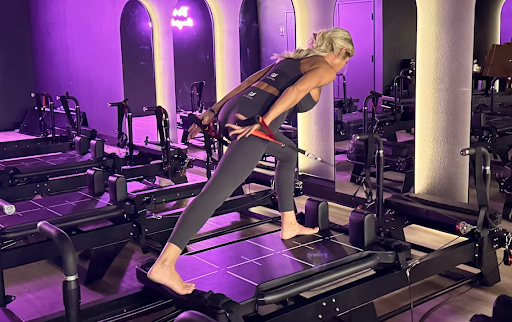
You’ll see this principle in resistance-based systems, balance tools, and next-generation reformers. Athletes are turning to methods that challenge both control and endurance. Many have even started using smart resistance systems inspired by megaformer pilates to stay stable and strong without wrecking their joints. It’s the same goal, control under pressure, but with smoother resistance and better body feedback.
Why Precision Matters
Every movement in sport starts with a choice. The brain fires, muscles respond, joints align, and force travels through the chain. But when one link breaks, timing, balance, and form, the entire system loses efficiency.
Precision training rebuilds those links. It slows movement down and forces control through the entire range. That’s where strength meets awareness. When athletes train this way, their body learns to activate the right muscles at the right time.
It’s not flashy. It’s consistent. And consistency wins.
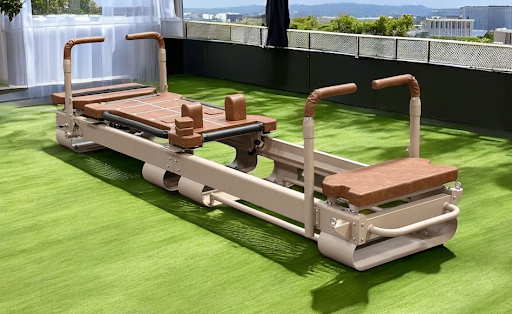
That’s why coaches in sports like football, basketball, and tennis are embracing it. Athletes don’t just need explosive movement; they need repeatable control. Tools like the Sculptformer are built around that idea. Smooth resistance, adjustable tension, and guided mechanics that help the body learn correct form without the wear and tear.
The Brain Behind the Body
Every motion starts in the brain, long before muscles ever move. That’s what makes precision work so powerful: it sharpens those neural patterns that control movement.
When an athlete moves slowly and deliberately, the brain pays attention. It starts refining signals. It learns timing, balance, and sequencing. Over time, this turns into better coordination and faster reaction.
That’s “muscle memory” in real terms. The nervous system records and repeats clean movement until it becomes automatic. The payoff is simple: smoother performance, fewer mistakes, better flow.
The science behind this is the same as that used by top performers in every field, musicians, surgeons, and pilots. They don’t just practice longer; they practice smarter, and with more focus.
This kind of training sharpens the brain’s control over movement. Research from Frontiers in Sports and Active Living highlights how neuromuscular control plays a critical role in steady, efficient athletic motion.
How Controlled Resistance Builds Durability
Every athlete talks about performance, but durability might be the real prize. The body has to handle years of repetition. Precision training helps make that possible.
Unlike heavy lifting, which compresses joints, controlled resistance spreads effort evenly across muscle groups. Machines like the Sculptformer use spring tension to create resistance that’s smooth, not jarring. That means athletes can push hard without putting their joints at risk.
It’s one reason physical therapists love this style of training. It builds strength and alignment at the same time. Over time, the body learns to move efficiently, with no wasted energy, no unnecessary strain.
Evidence from Sports Medicine-Open indicates that controlled, lower-load resistance work produces significant physiological benefits, making it an excellent option for athletes seeking durability without heavy joint stress.
That’s what keeps professionals on the field longer, and everyday people pain-free in daily life.
Mindful Mechanics: Training Awareness, Not Just Power
Smart movement isn’t just about mechanics. It’s also about awareness. Athletes who train with precision start to feel how their body moves. They notice tension before it turns to pain. They understand what balance actually feels like.
That awareness becomes a skill. It shows up in moments of chaos, during a sprint, a tackle, or a jump. The body knows how to recover mid-motion because it’s been trained to notice and adjust.
When movement becomes mindful, performance gets cleaner. Fewer mistakes. Better rhythm. And that’s something strength alone can’t teach.
Smart Movement Across Sports
No matter the sport, control is king. Runners use it to keep their stride aligned. Tennis players rely on it for power through rotation. Football players need it for explosive changes of direction.
Every sport demands control under tension. That’s why precision training fits everywhere; it adapts. You can change the tempo, tweak the resistance, or focus on different movement chains. The structure is flexible; the outcome is always the same: stronger, smarter movement.
The Future of Performance Training
The next generation of training isn’t about going heavier or faster. It’s about control. Science is showing that neuromuscular awareness, the brain-body connection, is the secret to elite performance and longevity.
That’s why reformer-based systems and precision machines are gaining attention in professional sports. They merge mindfulness with athletic output. They teach athletes how to harness tension instead of fighting against it.
The Sculptformer is one example of this evolution. It blends traditional reformer mechanics with the demands of high-level conditioning. The resistance feels smooth, but the challenge runs deep. Every movement becomes a lesson in efficiency.
When you train this way, strength feels different. It’s steadier. More connected. You stop forcing movement and start understanding it.
Final Thoughts
Speed will always matter. Strength too. But athletes who last, the ones who stay balanced and consistent, know the real game is control. Smart movement teaches that lesson every time.
Systems inspired by megaformer pilates principles and modern reformers like the Sculptformer are helping athletes find that balance. They bridge the gap between intensity and intelligence, building strength that performs and lasts.
Precision isn’t just a training method anymore; it’s a mindset. And for those serious about movement, it’s becoming the standard for what true athletic mastery looks like.