
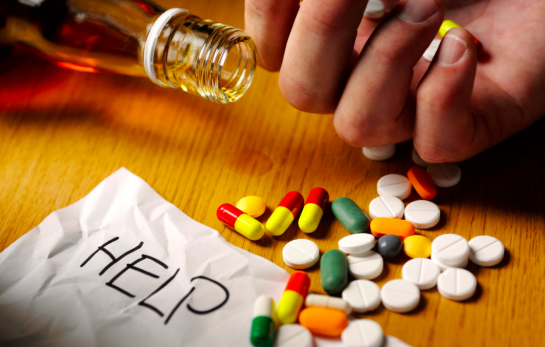
Recovery from alcohol or drug addiction is about far more than simply stopping substance use. It involves rebuilding physical health, improving mental wellbeing and finding positive ways to spend time and connect with others. While sport isn’t a treatment for addiction in itself, it can become a valuable part of the recovery journey for many people.
After going through the drug or alcohol detoxification process and counselling, many professionals recommend sport. Whether it’s joining a local football team, taking up swimming or simply going for regular runs, sport offers structure, purpose and a sense of achievement that can support long-term recovery.
Rebuilding Physical Health
Addiction can take a significant toll on the body. Depending on the substance involved, people may experience reduced fitness, poor sleep, weight changes, lower energy levels and weakened physical health.
Regular physical activity can help reverse some of these effects over time. Exercise improves cardiovascular fitness, strengthens muscles and bones, boosts energy and supports better sleep. Even gentle activities such as walking, cycling or yoga can make a noticeable difference to overall wellbeing.
It’s important to remember that recovery is different for everyone. People should always seek medical advice before starting a new exercise programme, particularly if they have existing health conditions or are recovering from long-term substance misuse.
Improving Mental Wellbeing
One of the greatest benefits of sport is its positive impact on mental health. Physical activity stimulates the release of endorphins and other chemicals that can improve mood and reduce feelings of stress and anxiety.
Many people in recovery describe exercise as helping them manage cravings, particularly during difficult moments. While it won’t eliminate the challenges of recovery, having a healthy outlet for stress can make those moments easier to navigate.
Sport also provides an opportunity to focus on the present. Whether concentrating on a tennis rally, completing a gym session or following a running route, exercise encourages mindfulness and can provide a welcome break from negative thought patterns.
Creating Structure and Routine
Establishing a daily routine is often an important part of recovery. Unstructured time can sometimes increase boredom or make it easier for old habits to return.
Joining a sports club or committing to regular training sessions introduces consistency into the week. Knowing there’s a football match on Saturday morning or a swimming class every Wednesday evening gives people something positive to plan for and look forward to.
Setting realistic fitness goals also creates a sense of purpose. Achieving personal milestones, whether running a first 5K or attending training every week for a month, helps build confidence and reinforces progress.
Building Positive Social Connections
Recovery can sometimes feel isolating, particularly if someone is distancing themselves from social groups where alcohol or drugs played a central role.
Sport offers opportunities to meet people in environments that focus on teamwork, shared interests and healthy lifestyles. Joining a local club or exercise group can help people develop supportive friendships that aren’t centred around substance use.
Feeling part of a community can be incredibly valuable during recovery. Encouragement from teammates, coaches and fellow participants can provide motivation during difficult periods and remind people they are working towards something positive.
Learning Healthy Ways to Cope
Many people develop addiction as a way of coping with stress, difficult emotions or challenging life experiences. Recovery often involves finding healthier alternatives.
Sport can become one of those positive coping strategies. Going for a run after a stressful day, attending a boxing class or playing five-a-side football may help reduce tension in a constructive way.
While exercise shouldn’t replace professional treatment or emotional support, it can complement recovery by providing a healthy outlet for frustration, anxiety and low mood.
Progress, Not Perfection
It’s important to avoid placing unnecessary pressure on physical performance. Recovery isn’t about becoming the fastest runner or strongest athlete. It’s about finding enjoyable activities that contribute to overall wellbeing.
Some days motivation will be high, while on others simply taking a short walk may feel like an achievement. Every positive step counts.
Choosing activities that are enjoyable also increases the likelihood of maintaining them over time. Whether it’s dancing, climbing, badminton or simply walking with friends, the best form of exercise is often the one that feels sustainable.
Sport as Part of a Healthier Future
Sport isn’t a cure for addiction, but it can become a meaningful part of a broader recovery plan alongside professional treatment, counselling and support from family, friends or recovery services.
By improving physical health, strengthening mental wellbeing, creating routine and encouraging positive social connections, sport can help people build a healthier and more fulfilling lifestyle.
Recovery is a journey that looks different for everyone. For many, discovering the enjoyment, confidence and sense of belonging that sport can provide becomes an important reminder that life after addiction can be active, rewarding and full of new possibilities.