
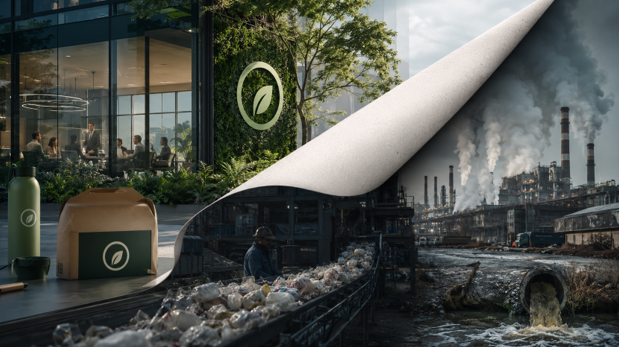
“Carbon neutral” sounds simple. A company emits carbon, then balances it with offsets, tree planting, renewable credits or climate projects somewhere else. On paper, the result looks clean. In practice, the story is much more complicated.
Consumers are becoming more sceptical, and for good reason. Many people now understand that a green label does not automatically mean a company has reduced its real emissions. It may only mean it has paid to compensate for them.
The same logic applies to digital services too. A confident promise is not enough on its own. Users want to see what sits behind it: clear terms, simple access, visible rules and a page that does not hide the important details. In that context, Lüks gazino works best as something users can check carefully before forming an opinion. Trust comes less from the label and more from how clearly the service explains itself.
The same logic applies to carbon neutrality. The label is not enough. The details matter.
Why carbon neutral can be misleading
A company can call itself carbon neutral while still producing a large amount of emissions. The claim may rely on offsets rather than direct cuts. That does not always mean the company is lying, but it can make the message look cleaner than the reality.
The main question is simple: did the company reduce its own emissions first, or did it mostly buy its way into a better headline?
This distinction matters because climate action is not only about accounting. It is about changing how goods are made, shipped, powered and used.
What companies often leave out
The missing details are usually where the real story lives. A carbon neutral claim should explain what is being counted, what is being reduced and what is being offset.
Things consumers should look for:
- whether direct emissions are falling;
- what type of offsets are used;
- whether supply chain emissions are included;
- how long the climate project lasts;
- whether an independent body checks the claim;
- whether the company publishes yearly progress.
A vague promise is easy to market. A detailed climate report is harder to fake.
Offsets are not all equal
Some offsets support useful projects. Others are weaker. A forest project, for example, depends on whether the trees survive, whether the land would have been protected anyway and how the carbon benefit is measured.
That is why offset quality matters. A cheap offset can make a claim look good while doing very little for the climate.
What real progress looks like
A stronger climate strategy starts with reduction. That means using cleaner energy, improving logistics, redesigning products, cutting waste and working with suppliers. Offsets should come later, for emissions that are genuinely hard to remove.
Consumers do not need to become climate auditors. But they can ask better questions. Is the company showing numbers? Are emissions going down? Is the language specific? Are offsets explained clearly?
Carbon neutral can be meaningful, but only when it is backed by real reduction. Without that, it becomes a polished phrase that hides the harder work companies have not done yet.