
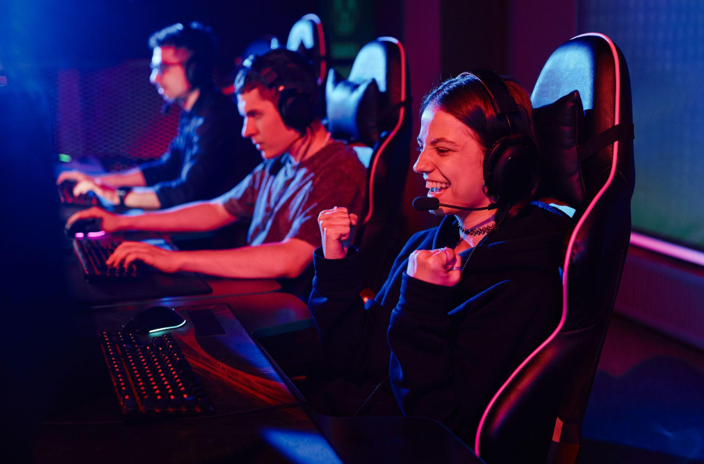
That old stereotype—unhealthy gamer, glued to the couch, surviving on energy drinks? Yeah, it’s dying. Fast. What I’ve been watching replace it over the past couple years is something way more interesting: a mindset that treats longevity and sharp cognitive performance like they’re non-negotiables. As esports bleeds into mainstream culture and competitive gaming demands more from us, I’ve learned the hard way that sustained digital performance isn’t just about grinding hours. It’s about keeping your body actually functional.
You can’t hold high APM or make those split-second calls when you’re running on fumes. Or when your metabolic system is completely wrecked. I’ve tested this myself—tried pushing through exhaustion, ignored every warning sign my body threw at me. Spoiler: didn’t work. This guide digs into what I call the “Gamer-Athlete Performance Loop,” a framework that flips the whole script. Fitness isn’t some punishment for sitting too long. It’s fuel for your digital life.
Defining the Modern Sports Enthusiast: Where Digital Meets Physical
The modern sports enthusiast treats competitive gaming and physical health as two sides of the same coin. Not enemies fighting for your time. This shift reflects something bigger—a cultural rewrite where “athlete” now includes people training for cognitive stamina alongside raw physical power. Which… honestly makes sense when you think about it.
Engagement in esports competition today demands the same discipline you’d find in traditional sports. Maybe more. Grinding ranked matches or analyzing platforms like Pantherbet for twelve hours straight? That’s not enough anymore. The top-tier players I’ve studied—and tried to emulate—get that holistic wellness is the real edge. One morning you’re analyzing replays, breaking down your mistakes frame-by-frame like a film student dissecting Tarantino. That afternoon? You’re hitting hybrid training to flush cortisol and get blood flowing to your brain again.
This lifestyle integration matters because digital sports demand sustained focus, rapid processing, emotional regulation—all the same stuff traditional sports psychology emphasizes. Understanding the modern athlete means recognizing screen time and gym time aren’t competing priorities. They’re symbiotic. When you adopt this identity, you validate your passion for gaming while admitting your physical hardware—your body—needs regular maintenance to run your software (your mind) at peak capacity. Simple as that.
What Are the Hidden Health Costs of a High-Digital Lifestyle?
The hidden health costs stack up fast: musculoskeletal disorders (MSDs), digital eye strain, and metabolic dysregulation from prolonged sitting combined with high-stress environments. These aren’t just annoying medical terms you see on WebMD at 2 AM. They’re performance killers that slow your reaction times and drain your cognitive reserves dry.
When you stay seated for hours, your body slips into sedentary behavior mode—metabolic slowdowns, energy dips, the whole cascade. But gamers face a unique twist I call the “high-cortisol sedentary state.” Unlike passive TV watching (which at least lets you zone out), competitive gaming spikes your heart rate and stress hormones while your large muscle groups stay completely locked in place. This mismatch leads to brutal energy crashes and sluggish recovery windows. I’ve felt it firsthand during tournament prep—felt wired and exhausted at the same time, which is a special kind of hell.
Digital eye strain—or Computer Vision Syndrome if you want the fancy term—degrades your visual tracking ability over time. Dry eyes, blurred vision… these symptoms directly mess with your aim and in-game awareness. I’ve experienced it during long sessions where I’m staring at the same corner of the map, trying to hold an angle, and suddenly everything goes slightly fuzzy. And then there’s repetitive strain injury (RSI) in the wrist or extensor digitorum tendinopathy, which benches PC gamers for months. Ignoring these warning signs doesn’t just wreck your health—it puts a hard ceiling on your skill progression. You hit that ceiling and you’re done.
How Can You Build a Balanced “Gamer-Athlete” Routine?
Building a balanced routine comes down to “hybrid training”—cycling between high-intensity digital focus and active physical recovery with smart ergonomic setups. This approach reframes physical activity from a chore you avoid (guilty) into a recovery tool that restores what I think of as your mental mana bar. Sounds corny, but it’s accurate.
Integrating Immersive Fitness and Hybrid Training
Immersive fitness tech uses gamification to bridge the gap between sedentary gaming and actual physical exertion. Instead of treating exercise as a separate, boring obligation you schedule around raids, you can lean into exergames and VR fitness platforms that demand full-body movement to progress. The dopamine feedback loop stays intact while your cardiovascular system gets engaged. Win-win.
For those who want a total break from screens (which I recommend at least twice a week), modern social sports like Nlpadel offer a solid counterbalance. This fast-growing racket sport mixes strategic positioning with explosive bursts of movement—mimics the tactical thinking gaming requires but in a purely physical space. Integrating active recovery sessions like this helps correct the posture damage from gaming chairs (my shoulders thank me) and improves heart rate variability (HRV), which is a key stress recovery metric I track religiously now. It’s not just about feeling better—it’s about measurable physiological improvement.
Optimizing Nutrition for Cognitive Focus and Recovery
Proper nutrition for a gamer-athlete revolves around stabilizing blood glucose levels to avoid the “brain fog” that costs you ranked matches. I’ve made the mistake of relying on sugary energy drinks before—felt great for twenty minutes, then crashed hard. It ruins cognitive function and slows reaction times in ways that are genuinely measurable if you’re tracking performance metrics.
Mistake #1: Relying on Sugar for Energy
Why people do it: Immediate rush of alertness feels productive. You crack open that can and suddenly you’re ready to queue up.
Consequences: Insulin spikes followed by crashes that can reduce focus by up to 50%. Your decision-making gets sloppy, your aim drifts.
Correction: Switch to complex carbohydrates and nootropics like L-Theanine paired with caffeine for sustained, jitter-free focus without the crash. I do oatmeal with berries before long sessions now, plus a clean caffeine + L-Theanine stack. Night and day difference.
Hydration is just as critical. Even mild dehydration—around 2%—can seriously impair executive function and decision-making speed. A structured hydration protocol matters as much as your in-game strategy. I learned this after noticing my reaction times dragging during longer sessions. Started tracking water intake and the improvement was immediate. Simple fix, huge impact.
The 20-20-20 Rule and Active Recovery Protocols
To fight digital eye strain, use the 20-20-20 rule: every 20 minutes, look at something 20 feet away for 20 seconds. This relaxes the ciliary muscles in your eyes and resets focal depth. Combine it with blue light filters on your monitors, and you can extend your effective practice hours without damaging your vision long-term. I set a timer for this—sounds excessive, but it works.
Ergonomics matter more than comfort alone—they’re about injury prevention. Investing in ergonomic gaming peripherals isn’t optional if you’re serious about longevity in this space. Keep your elbows at 90 degrees, monitor at eye level. This prevents forward head posture, which leads to tension headaches I dealt with for months before fixing my setup. Once I adjusted everything properly, those headaches just… stopped. Worth every penny I spent on a decent chair and monitor arm.
Mental Reset: Managing Cognitive Load and Burnout
Managing cognitive load requires proactive “dopamine fasting” and strict sleep hygiene to avoid burnout and keep executive function sharp during high-pressure gaming. Gaming disorder often starts when you’re using games or fast-paced nettikasinot as an escape instead of a passion—leads to a fatigue cycle with diminishing returns I’ve seen wreck players I used to compete with. They’re not around anymore. Burned out completely.
Sleep quality is the ultimate performance enhancer. No exaggeration here. During REM sleep, your brain consolidates muscle memory—spray patterns, combo strings, all of it. Chronic sleep deprivation destroys this consolidation process. To optimize mental fitness, I establish a “digital sunset” one hour before bed—no screens, period. This lets your circadian rhythm normalize. You wake up refreshed, reflexes sharp, mind ready for the next match instead of dragging through warmups half-asleep wondering why you can’t hit anything. The difference is massive.