
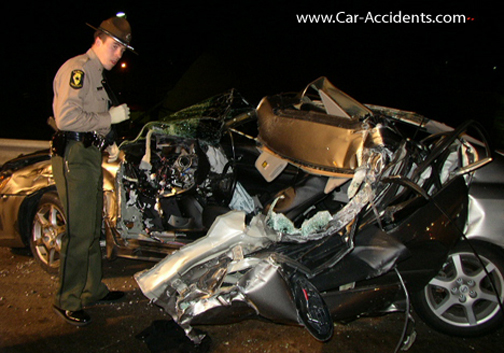
A player wakes up in the back of a squad car at 3 a.m., a mile from a nightclub. The booking photo is moving on social media before sunrise. By the time the team’s PR staff sees it, sports radio has the story, the sponsor’s compliance officer has forwarded the link internally, and the league office has an inbox item flagged for review. The arrest is the easy part to see. Everything else fans out for months.
For a pro athlete, a DWI arrest doesn’t stay inside the courthouse. It moves through the locker room, the salary cap sheet, the endorsement portfolio, and the collective bargaining agreement, sometimes in the same week. Here are the separate fronts where a single arrest reshapes a season, and where a player’s choices in the first 72 hours can decide the shape of the year.
The League Office Opens Its Own File
The criminal case runs on one track. League discipline runs on a separate one, and it doesn’t wait for a verdict. Under the NFL’s Personal Conduct Policy, a player can be placed on the Commissioner Exempt list, investigated, and disciplined for conduct the league finds detrimental, whether or not a court ever convicts. The gap between arrested and convicted is where a lot of players get caught off guard.
Discipline in these cases has settled into a pattern. The NFL’s informal standard for a drunk-driving conviction under its personal conduct framework has become a three-game suspension, applied consistently enough that agents plan around it. Recent cases in which star receivers opened their season on the sidelines after resolving DUI citations with pleas to lesser “wet reckless” charges show how mechanically that three-game penalty gets applied.
Three games sounds small until you count what rides with it. A rookie contract prorates against 17 games. An accrued season for free agency counts games on the active list. Missed checks, lost stats, and a weaker hand the next time the agent picks up the phone. The suspension is the start of the ripple, not the end of the punishment.
The Contract Language Nobody Reads Until It’s Too Late
Standard player contracts and endorsement deals almost all carry a morals clause. The name is old-fashioned; the teeth are not. These provisions let a team or a sponsor walk away, or claw back money already paid, when the athlete’s conduct embarrasses them. A DWI arrest is exactly the kind of event these clauses were written to catch.
Baseball, Basketball, and Hockey Play by Different Rules
Leagues don’t treat a DWI the same way, and assuming the NFL framework is universal is a common mistake. MLB routes alcohol-related conduct through its drug program, which leans on evaluation and treatment before it leans on suspension. The NBA and NHL each carry their own conduct provisions in their CBAs, and their discipline for off-field DUIs has historically been lighter and more case-by-case than the NFL’s near-automatic three-game hit.
A baseball or basketball player still walks into real consequences. Team-level discipline, sponsor reactions, and immigration issues for foreign-born players who travel internationally can be every bit as damaging as a league suspension. The framework changes; the exposure stays.
The First 72 Hours Set the Ceiling
Almost every decision that shapes the case gets made in the first three days, before the union rep, the agent, and the team lawyer are on the same call. Whether the player consented to a breath test, what he said on the ride to the station, whether the arrest report notes cooperation or resistance, all of it feeds directly into what a prosecutor offers and what the league sees when it opens the file.
Retaining an experienced DWI defense attorney early matters more than any other single move here. The lawyer’s job in those first days isn’t a trial strategy conversation. It’s to preserve the field sobriety video, challenge the stop, protect the license, and keep the criminal case narrow so the collateral damage stays narrow with it. Once a player pleads to anything that acknowledges alcohol was involved, the league’s clock starts and the sponsor calls begin.
Patterns End Careers, Not Single Arrests
One arrest rarely ends a career. Front offices tolerate a single incident from a productive player and stop tolerating a second one from anybody. Players who lose their spots after a DWI usually lose them in combination with something else: a prior speeding case, a missed team meeting, sliding production, an expiring contract, or a coaching change that gives management cover to move on.
For a player sitting in an interview room the night of an arrest, none of that context is visible yet. What is visible is a choice about what to say, whom to call, and how fast. The team bus leaves in the morning either way. Whether the player is on it, in three weeks or in three years, depends less on the arrest than on what he does in the hours after it.