
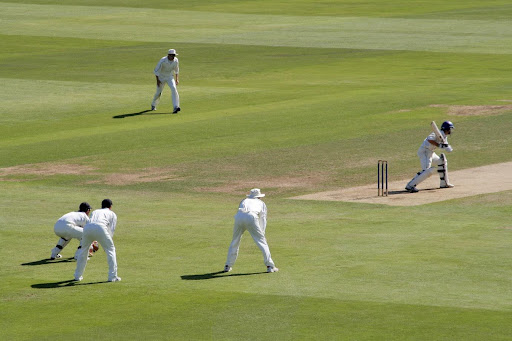
Cricket is a sport built around numbers. Fans closely track team totals, player scores, wickets, strike rates, and partnerships to understand how a match is developing. These statistics not only help explain what has happened on the field but also provide clues about what may happen next. One of the most widely discussed concepts in cricket markets is the Over-Under Market. Rather than focusing on which team will win, this market centers on whether a particular statistic will finish above or below a projected figure. Understanding Over-Under Markets can help cricket fans better appreciate the role of data, conditions, and strategy in modern cricket.
What Is an Over-Under Market
An Over-Under Market is a cricket market based on a predicted numerical benchmark. This benchmark is set for a specific statistic, such as total team runs, player runs, wickets, boundaries, or sixes. The focus is on determining whether the final result will finish above or below the projected number.
For example, if analysts estimate that a team will score 185 runs in a T20 innings, discussions may revolve around whether the final total will exceed or fall short of that figure. Similarly, a batter’s expected score may be assessed against a projected number based on current form and venue conditions.
The primary purpose of an Over-Under Market is to provide a statistical framework for evaluating likely outcomes during a cricket match.
How an Over-Under Market Reflects Match Dynamics
One of the reasons Over-Under Markets are so popular is that they react directly to match conditions and live developments. Before the game begins, projections are influenced by factors such as pitch reports, weather forecasts, venue history, team composition, and player form.
As the match progresses, these expectations continue to evolve. A strong opening partnership may increase projected team totals, while a sequence of wickets can lower expectations significantly. Similarly, a pitch that begins assisting bowlers more than expected may influence scoring projections.
These markets effectively capture the changing momentum of a contest. Every boundary, wicket, bowling spell, and tactical adjustment can contribute to revised expectations. Fans who enjoy analyzing cricket statistics and live match developments frequently use resources such as reddy anna book to stay informed about ongoing trends and match situations.
Over-Under Market in IPL 2026 — Real Example
Imagine an IPL 2026 match in Hyderabad, a venue often associated with high-scoring contests. Before the start of play, analysts estimate that the team batting first could score around 200 runs because of favorable batting conditions.
After ten overs, the batting side reaches 105 runs while losing only one wicket. At this point, expectations may rise because the scoring rate remains strong and several established batters are still at the crease.
However, if the bowling team responds with disciplined death-over bowling and claims several important wickets, momentum may shift. Projections for the final total could then decrease. This example highlights how Over-Under Markets adjust continuously as the match unfolds.
How Indian Fans Track Over-Under Market Movements
Indian cricket fans have access to a variety of tools that help them understand Over-Under Market trends. Live score applications, cricket websites, television broadcasts, and expert commentary panels provide real-time information throughout a match.
Many followers also study venue records before the game begins. Some stadiums consistently produce high totals, while others offer assistance to bowlers. Understanding these patterns helps provide context for projected scores.
Player form is another important factor. A lineup featuring several in-form batters may support higher expectations, while the absence of key players can influence projections in the opposite direction. Detailed cricket insights and match-related resources are commonly followed through platforms such as reddy anna login.
FAQ
Q1: What statistics are commonly associated with Over-Under Markets?
Runs, wickets, boundaries, sixes, player scores, and team totals are among the most frequently analyzed categories.
Q2: Why do Over-Under projections change during a match?
They respond to live events such as wickets, partnerships, scoring rates, and changing conditions.
Q3: Are Over-Under Markets only relevant in T20 cricket?
No. They can also apply to ODI and Test cricket, although they are particularly popular in shorter formats.
Conclusion
Over-Under Markets provide cricket fans with a structured way to understand expectations surrounding key match statistics. By focusing on measurable outcomes rather than the final result alone, they offer valuable insight into how analysts interpret conditions and predict trends. Whether following the IPL, international cricket, or domestic competitions, understanding Over-Under Markets can enhance appreciation of cricket’s statistical depth and strategic complexity. For more cricket insights, match analysis, and sports-related resources, visit laser247.