

When we think of global sports and popular past, many people immediately take a picture of football, cricket or basketball. Nevertheless, long before the size of these modern sports, ancient Indian sports were giving shape to culture, strategy and holiday in the subcontinent. The history of India is full of attractive examples where entertainment met philosophy, and where sports often carry lessons about life, discipline and morality. Even today, many sports invented in India inspire versions played worldwide.
Cultural role of sports in ancient India
In India, sports were never about passing time. They were social, educational and even spiritual. Historical texts such as Mahabharata and Ramayana refer to various forms of sports. For example, the dice game symbolizes luck and luck, while the board game encouraged strategic thinking.
The question “Which game was invented in India?” A window opens a window in a tradition that has fun with deep meaning. From indoor board games to outdoor team sports, the country has gifted the world with timeless classics that still resonate with modern players.
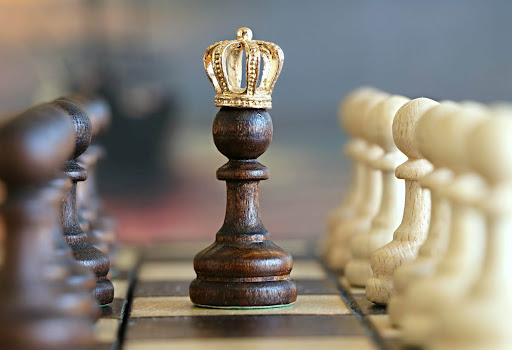
Chess: From Chaturanga to a global event
One of the most famous ancient Indian sports is Chaturanga, which is widely considered the predecessor of modern chess. The word literally means “four divisions of the army” – infantry, cavalry, elephant and chariot. These units later developed in pawns, knights, bishops and miscreants.
Around the CE of the 6th century, Chaturanga Persia and then spread to Europe, eventually today we know that chess became a game of chess. Its purpose was not only entertainment, but also to train the brain in strategy and foresight, which is an ideal example of how intellectual culture size was invented worldwide in India.
Snakes and Stairs: More than only children’s games
Another household favorite salvation with Indian origin, is known globally as snakes and ladders. The game was designed as a tool to teach moral values. The ladder represented qualities such as kindness and honesty, while snakes symbolized vices such as greed and anger.
The British colonial influence took Moksha Patam to the west, where it was simplified for children. The version we know today may look like a simple board game, but in ancient India, it carries forward intensive spiritual lessons associated with karma and fate.
Ludo: Modern form of digesy
Snakes and staircase are closely related to the digestion, which is another famous board game that originated in India. The dice was played on a cross -shaped board with cow shells, the digesy required both luck and skills. Its modern adaptation, Ludo, is still played around the world.
Historical records show that even the Mughal emperors enjoyed the digestion. In fact, Emperor Akbar allegedly played it on huge outdoor boards, in which real people were working as pieces. This is a strong example of how ancient Indian sports are associated with royalty, common and culture.

Kabaddi: A test of strength and strategy
In external sports, kabaddi stands out as one of the most permanent. Thought to date over 4,000 years, Kabdi combines wrestling, breath control and strategic teamwork. The rules are simple: a “raider” enters half of the opponent, tags many defenders as much as possible, and tries to return without catching everyone, chanting “kabdi, kabaddi”.
Today, Kabaddi is not only a popular sport in rural India, but also an international competitive game with professional league. Its inclusion in the Asian Games highlights how the sports invented in India are still recognizing on the global stage.

Polo: royal game with Indian roots
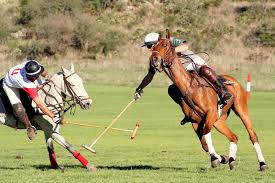
Although often associated with Persian culture, historical evidence suggests that Polo was also played in ancient India, especially in Manipur. Locally known as Sagol Kangjei, it included horse riding and a sugarcane ball. The game was associated with local festivals and traditions.
British authorities later adopted it during the colonial era, spreading it to Europe. Polo has since developed as a symbol of elegance and strategy, but its roots in Indian soil are an essential part of its heritage.
Gilli-Danda and other rural classics
Not all ancient Indian sports were complicated. Many were simple, energetic and community-based. For example, Gilli-Danda is considered the predecessor of modern cricket and baseball. This involves killing a large stick (gilli) with a large (stick), hand-coordination and testing reflex.
In the other rural past, KHO-Kho, a tag game that emphasized speed and teamwork, and Kancha, a marble-based game enjoyed by generations. These games highlight how ancient Indian sports are balanced with physical agility and social relations.
Effect beyond boundaries
The spread of these games beyond India shows how deeply they resonate with universal human subjects. Strategy, morality, teamwork, and opportunity are ideas that cross cultures. Whether it is shaping the snakes and ladders entering the European nobility, snake and Victorian homes, or Kabaddi was reaching international eranus, India’s contribution to the global playbook is undisputed.
Modern Connection: Gaming, Betting and Sports Culture
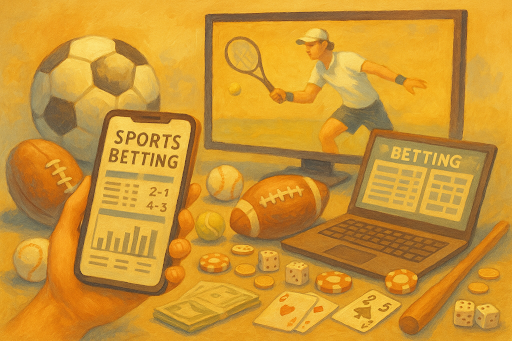
In today’s world, traditional sports get new life through digital platforms and even betting communities. For example, platforms like DbBet, give modern players opportunities to connect with competitive games in new ways.
Similarly, sites like India beting, provide insight how old traditions of sports, competition and chance affect modern sports and gaming culture. It shows a straight line from regions and courtyards of ancient India to 2025 digital places.
Conclusion
When we ask, “Which game was invented in India?”, Answer opens an attractive chapter of history. From the intellectual rigidity of chess to the physical intensity of kabaddi, from the moral teachings of snakes and ladder to the playful energy of Gilli-Danda, India’s role in shaping the world of sports is vast and permanent.
These games were more than just fun – they were reflections of philosophy, society and life. And even today, in stadiums, homes, or online platforms, the legacy of ancient Indian Games continues, reminding us how the game combines the past with the present.