
The 2026 FIFA World Cup was not merely a tournament to crown a new world champion. In such a large-scale event—co-hosted by three countries and featuring 48 teams—each national team had to address different tactical challenges within a limited preparation period. The result was a glimpse of modern soccer—one that does not pit possession against defense, or individual skill against teamwork, but rather combines them as the situation demands.
Tactical Trends That Defined the Tournament
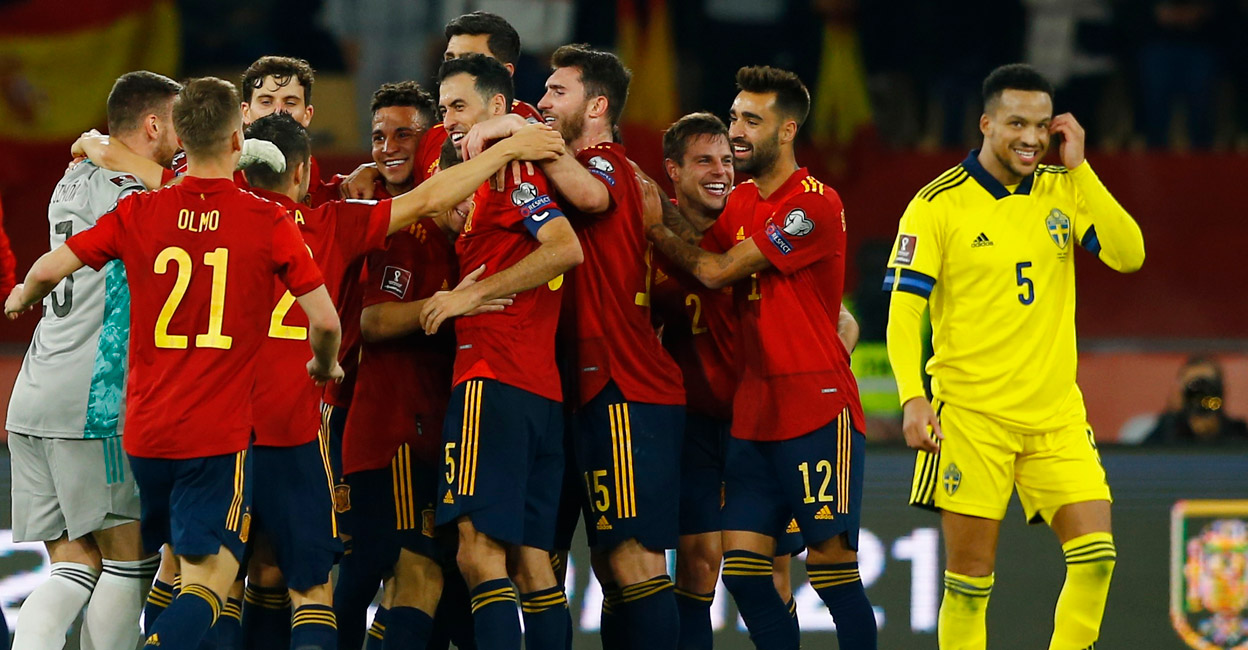
Particularly striking in this tournament was Spain’s fusion of ball possession and pressing. Spain did not merely maintain traditional possession-based play but combined it with immediate defensive action after losing the ball, rapid transitions, and pressure applied from the front line. FIFA’s tournament analysis also cites pressing, possession, counterattacks, and set pieces as key characteristics of Spain’s play.
At the same time, modern national teams are increasingly inclined to adjust their defensive blocks and player positioning in response to the opponent’s formation, rather than sticking to a single system for the full 90 minutes. FIFA’s technical analysis points to changes in the role of fullbacks, asymmetrical formations, and the importance of data analysis as elements that characterize modern soccer.
Japan’s performances also provided interesting insights into these changes. Japan remained undefeated in Group F, twice coming from behind to draw 2–2 against the Netherlands and demonstrating their attacking prowess with a 4–0 victory over Tunisia. What drew particular attention was not only their ability to apply pressure from the front line when the opponent had possession but also their ability to reorganize their defensive block as needed to restrict space in the center of the field. This approach—combining pressing with compact defense—has become a tactical element that is easily adaptable at the club level as well.
In the wake of these matches, fans around the world have begun analyzing not just the final results, but also the positioning of the press, possession percentages, player formations, and even the intent behind substitutions. In Japan, too, an online culture of match predictions and data tracking has spread, while interest in soccer betting apps has surged sharply.

Lessons to Be Learned: Counter-Pressing and Defensive Organization
Many of the tactics demonstrated at the World Cup are easily adaptable by club teams. Counter-pressing, in particular, derives its value not from individual players chasing the ball alone, but from multiple players simultaneously applying pressure around the area where the ball was lost.
Spain’s success was a prime example of this principle executed to a high degree. According to FIFA’s analysis, Rodri stood out throughout the tournament for his high-intensity running and his ability to receive the ball in front of the opponent’s defensive block.
On the other hand, not every team needs to defend from a high line. Forming a compact block in midfield to prevent opponents from penetrating the center remains an effective strategy. What is crucial is a shared understanding of where to initiate the press and when to push the defensive line forward.
During the club season, teams have more time to train than national teams do. Therefore, coaches can translate the principles observed at the World Cup into more specific pressing triggers and defensive coordination. Tactics that proved effective at the tournament will not be replicated exactly at the club level; they will need to be redesigned to suit the players’ characteristics and the tempo of the league.

Build-up play and player roles are becoming even more fluid
Another major change is the philosophy of not limiting the starting point of an attack to a specific position. Goalkeepers, center backs, fullbacks, and defensive midfielders complement each other’s positions while drawing out the opponent’s press to create space.
In particular, the role of the fullback has expanded significantly beyond simple wing play. Some players take up width on the flanks, while others move toward the center to bolster the midfield. FIFA also cites the changing role of fullbacks and asymmetrical formations as one of the current tactical innovations.
This shift demands sophisticated decision-making from goalkeepers as well. The goalkeeper is not only the last line of defense against shots but also the first option for breaking through the opponent’s front line. At the club level, it is crucial to design these roles not only based on a player’s technical ability but also in accordance with the opponent’s pressing structure and the flow of the game.
Lessons from the World Cup That Will Carry Over into the New Season
The greatest lesson club teams can learn from the 2026 World Cup is not a specific formation itself. What matters is the philosophy of not fixing player positions and ensuring the entire team functions effectively both when in possession and when out of possession.
This mindset encompasses the specialization of set pieces, maintaining intensity in the late stages of the game through substitutions, and the strategic use of both possession and vertical speed. As Spain demonstrated, modern powerhouses do not rely on a single soccer philosophy but treat pressing, possession, transitions, and set pieces as part of a unified system.
The World Cup has different constraints than the club season. Nevertheless, precisely because it is a tournament where the world’s top players and coaches gather for a short period and different soccer cultures clash directly, it is a valuable venue for observing the effectiveness of new tactics. The 2026 World Cup left behind more than just the winning nation’s record. In the upcoming club season, trends such as pressing, fluid positioning, and data-driven preparation will likely be reinterpreted to fit the realities of each league.