
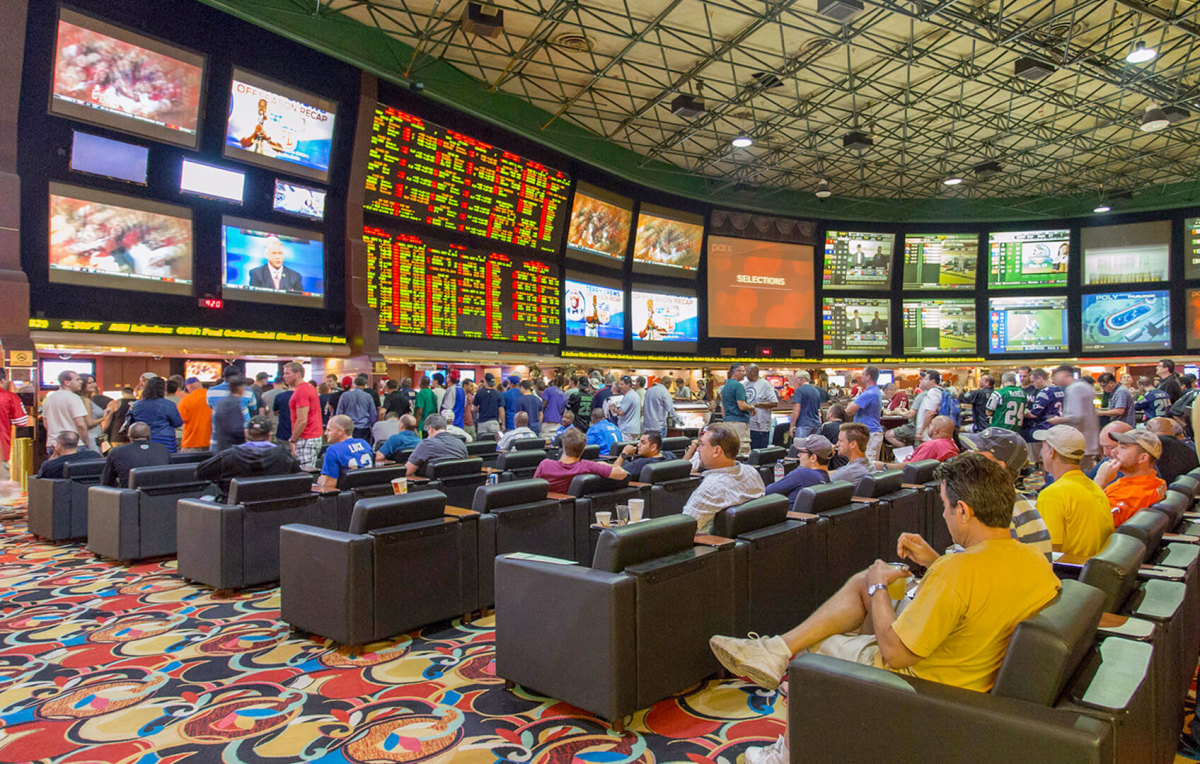
Choosing a sportsbook solution should be approached strategically since it informs which sportsbook providers an operator can effectively compete against, retain, and scale within a constantly evolving betting industry. The ecosystem of sports betting continues growing in complexity, and operators must assess much more than just odds feeds and events listings. The value of technology, localization, flexibility, and UX has become integral.
Uplatform has handled the delivery of efficiently localized and technically sophisticated sportsbook systems in various markets and has developed an understanding of which functional and operational components contribute to the performance of a sportsbook in the long term. While the individual operators will have their own unique circumstances within which to prioritize individual components, the following features of an environment will be key to winning in the sportsbook of tomorrow.
Extensive Sports and Market Availability
Sports betting is a multi-faceted ecosystem, and content diversity equals player engagement vigilance. The expectations of global and local audiences alike can only be met by a contemporary sportsbook offering an extensive range of supported sports, competitions, and categories of bets placed.
A fully developed advanced sportsbook contains thousands of sports and esports disciplines and live events spanning across global markets, geographical locations and time zones. This scope includes esports tournaments, betting market simulations, and non-sports betting opportunities, such as entertainment and special events.
Equally as important as the scope is the coverage. Highly developed and successful sportsbook operations include coverage of overseas premier events and tournaments, national tier leagues and tournaments, amateur level events and tournaments, and low-tier or minor leagues and events. A wide array of betting markets should complement each event or match, enabling users to engage at multiple participation levels. In order to maintain continuous betting activity throughout the calendar year, operators should add breadth to their sportsbook.
Diverse and Innovative Betting Options
In a developing and changing betting environment, the sportsbook must go beyond the basic win-or-lose market. A successful sportsbook should create a betting market that is diverse and innovatively customized. This should include player performance and specific event outcome statistics, team-versus-team outcome of head-to-head scenarios, and match outcome event betting markets. This creates a niche and interactive environment that analytical-driven market participants will prefer.
Moreover, the environment that sportsbooks operate in has been increasingly diversifying the types of wagering they offer, like offering bets on political events, certain weather conditions, or other real-life events. This diversification of wagering opportunities helps maintain interest in periods that lack live sporting events.
While increasing the types of wagering options offered impacts customer retention positively, it also impacts the sportsbook’s brand positively, as that diversification can help differentiate the brand from its competitors.
High-Engagement Live Betting Environment
Live betting is one of the most important drivers of sportsbook activity and comprises a significant portion of all bets placed. During a match, bettors get a unique opportunity to observe team performance, momentum swings, and changes in tactics, all of which can influence in-play betting decisions.
A sportsbook must have a strong live betting environment in which bettors can place bets based on updated odds and stats, and in which bettors experience low latency and quick updates. Bettors gauge the quality of a sportsbook’s live betting environment based on how quickly markets update and how often odds shift based on in-game changes.
This active betting zone can be enhanced with real-time match trackers, animations, and live streams of specific games. Users can engage with the match and place bets, streamlining the betting process and enhancing sportsbook engagement. The ability to track multiple games with an integrated interface also enhances the sportsbook’s streaming services.
Intuitive Interface and Reliable User Experience
User experience is one of the most critical success factors in the sportsbook operation. Even the most advanced features lose value when users experience difficulty navigating the interface and placing bets.
The interface of a contemporary sportsbook has to be aesthetically pleasing, well-organized, and user-friendly. Bettors anticipate rapid load speeds, seamless system navigation, and optimal bet slips for various wagering options, like accumulators, systems, chains, and anti-accumulators.
There has also been a demand for one-click betting interfaces, allowing users to make a stake without unnecessary confirmation steps. This is especially pivotal to live betting, where a stake can be time sensitive.
On the sportsbook’s interface, sportsbooks also have to guarantee the software’s reliability and provide support after the software has been deployed. This is to manage the trust that is fundamental to the retention of players.
Comprehensive Match Data and Betting Insights
Decisions made regarding betting are influenced by the information surrounding the bet. To remain competitive, sportsbooks must provide users with data for every pertinent facet of a match to allow the user to make a supported bet.
In-depth metrics and data about the players and teams involved, their past performances, the stage of the tournament, and contextual data regarding the match are essential. Users should be able to evaluate the data and information without exiting the sportsbook, and the interface should make easy navigation possible.
Utilizing the gaming platform allows customers to avoid the need for third-party data and helps minimize exposure to advertising by competitors. When bettors know and trust the data being provided, they have increased confidence in making wagers and are more likely to come back to bet again. Incorporation of match data allows the sportsbook to evolve from a transactional platform to a decision-making support system, increasing user engagement and trust.
Localization and Personalized Betting Experiences
Due to the variety of laws, cultural interests, and sporting customs in different areas of the world, sports betting tends to have different regional preferences, and a good sportsbook must modify its content and presentation accordingly.
Localization may involve addressing users in their preferred language, prioritizing sports of interest to their region, and offering markets that are culturally appropriate. Effective sportsbook solutions are able to support many languages— even those that are less common— which helps ensure they are able to serve diverse markets.
Further increasing user engagement, personalization can involve content being tailored to individual users, such as sorting national teams by geography, highlighting sports that are popular in the user’s region, and displaying odds in their preferred format—be it decimal, fractional, or moneyline.
Different layouts, such as European, Italian, or Asian views of the platform, make it easier for bettors to use the system more familiarly. In addition, it reinforces engagement and relevance by showcasing top-tier odds on globally popular events.
Flexible Line Management and Customization
For both players and operators, flexibility is paramount. Users benefit from personalization options, including favorite leagues and championships, as well as convenient, streamlined menus.
From the operator’s standpoint, the ability to add or remove sports, leagues, and tournaments according to market demand is vital for commercial optimization. A flexible sportsbook environment enables operators to swiftly modify offerings as a result of strategic new regulations or changes in player demand.
This dual-layer flexibility keeps the sportsbook in demand, effectively meets operational objectives, and meets user expectations in various areas.
Full Multi-Device Compatibility
As bet placement becomes more mobile, the sportsbook must also be mobile. Mobile devices account for most global bet placement, especially in areas where computer usage is limited.
A modern sportsbook will operate effortlessly in a cross-platform environment, including smartphones, tablets, and computers. This encompasses web versions that are lightweight, mobile-attuned, and applications for the primary operating frameworks.
In areas with limited infrastructure, other options, such as SMS-based or messaging app-betting, extend reach and inclusivity. The sportsbook’s adaptability in client access methods allows for the covering of wide-ranging audiences and the preservation of user engagement in fluctuating activity levels.
Seamless Integration and Operational Efficiency
Launching or scaling a new sportsbook operation requires coordination across all software, automated design, content feeds, content management systems, interfaces, and management tools. With no effective integration, time-to-market and go-live ability are negatively impacted.
A modern sportsbook ecosystem should have flexible, deployable sportsbook environments and operational control options, including turn-key solutions and API-embedded ecosystems. This flexibility/disruptability enables operators to seamlessly and effortlessly embed sportsbook functionality, content feeds, and other sportsbook distributed systems into existing platforms and throughout their operational stacks.
Proven and compliant custom API solutions optimally balance operator business management, process control, and regulatory scope. More effective integration streamlines and reduces overall system complexity- reducing technical costs, operational overhead to fully self-manage, and ultimately enabling flexible and rapid solutions to dominate new market opportunities.
Building Sustainable Sports Betting Operations
Operating a successful betting brand and ecosystem is debilitating and often crippling to overall profitability. Effective technology partners increase overall desired effectiveness and operational maturity- providing a positive bedrock for growth.
A modern sportsbook ecosystem is designed to strategically locally optimize, seamlessly and flexibly operate, and positively scale to incorporate and retain players to quickly profitably dominate player markets.
Uplatform’s sportsbook solution empowers operators to build, manage, and scale competitive betting businesses through deep localization, flexible integrations, and a future-ready technology stack designed to meet evolving market demands.